Understanding Containerized Water Treatment Systems
In an era marked by increasing water scarcity and pollution, innovative solutions to water treatment have become increasingly vital. Containerized water treatment systems represent one such solution, providing an efficient, flexible, and environmentally conscious alternative to traditional methods. These systems are designed to cater to a variety of applications—from municipal projects to industrial operations and even remote installations—ensuring that safe drinking water can be produced anywhere in the world. As a leading water treatment systems manufacturer, QILEE offers advanced solutions that enable rapid deployment and high-quality water treatment.
What Are Containerized Water Treatment Systems?
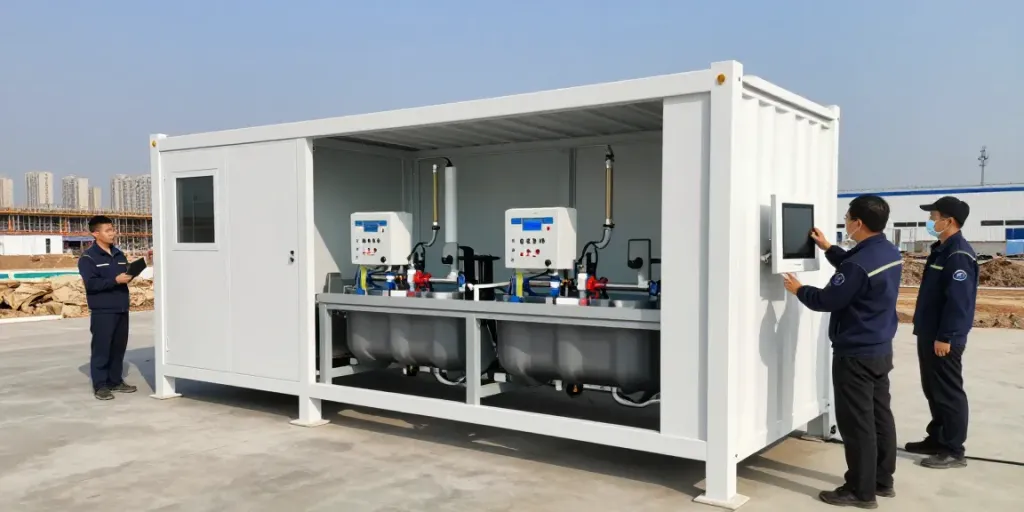
Containerized water treatment systems are compact, modular units designed for the purification and treatment of water. They hold the complete functionalities of a traditional water treatment plant but are assembled within a transportable container, allowing for on-site assembly and rapid deployment. These systems are particularly advantageous in emergency response situations, remote areas, or locations with limited infrastructure, as they can effectively treat water from various sources, regardless of initial quality.
Key Features and Benefits
- Modular Design: Their compact design allows for scalability; systems can be expanded or adapted based on specific needs.
- Rapid Deployment: Installation can occur in 3 to 7 days significantly shorter than traditional construction timelines, which can take 3 to 6 months.
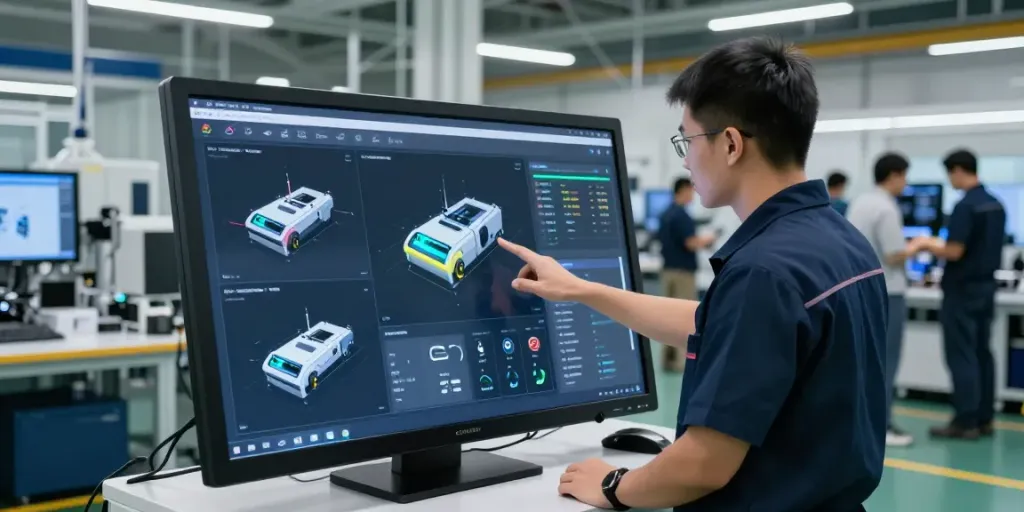
- Intelligent Control Systems: Equipped with smart technology for real-time monitoring, these systems enhance operational efficiency and reliability.
- High Reusability Rate: Containerized systems boast a reusability rate exceeding 90%, making them an economical choice for businesses and municipalities alike.
- Eco-Friendly Resource Recycling: Integration with reclaimed water modules promotes sustainability, achieving a recycling rate of up to 80% of resources.
Applications in Diverse Industries
Containerized water treatment systems are versatile and find applications across numerous sectors:
- Municipal Water Treatment: Ideal for communities facing water supply challenges, providing immediate solutions.
- Industrial Processes: Used for boiler feed water, ultra-pure water, and softened water in pharmaceutical and manufacturing contexts.
- Disaster Relief: Providing essential drinking water in disaster-stricken areas, supporting humanitarian efforts efficiently.
- Remote Locations: Serving mining operations or remote worksites where access to clean water is limited.
Comparative Analysis: Containerized vs. Traditional Water Treatment
Deployment Speed and Efficiency
One of the most significant advantages of containerized systems is their rapid deployment capability. Traditional water treatment plants usually require extensive civil engineering and can take months, often years, to construct. In contrast, containerized systems can be set up in just a few days, enabling communities to access clean water much faster. This speed is particularly crucial in emergency scenarios or when immediate water quality issues arise.
Space Requirements and Operational Flexibility
Containerized systems dramatically reduce the footprint required for water treatment. Traditional treatment plants necessitate large sites for construction, whereas containerized units need only flat ground for placement. This reduction in space requirements is beneficial for urban areas facing land scarcity and allows for more flexible operations, making it easier to relocate or expand systems as needed.
Quality Control and Monitoring Capabilities
Containerized treatment systems come equipped with advanced real-time monitoring capabilities, allowing operators to maintain high standards of water quality. Unlike traditional systems, which often rely on manual inspection and adjustments, containerized units utilize intelligent control systems that provide immediate data on water conditions and system performance. This leads to improved quality control and operational efficiency.
Innovative Technologies Driving Containerized Water Treatment
Advanced Filtration Techniques
Containerized systems incorporate cutting-edge filtration methods, including reverse osmosis (RO) and electrodeionization (EDI) technologies. These processes ensure high-purity water suitable for sensitive applications such as pharmaceuticals and laboratories. By leveraging advanced filtration, these systems can remove a wide range of contaminants, providing safe and usable water for various applications.
Real-time Monitoring Systems
The integration of IoT (Internet of Things) technologies within containerized systems facilitates continuous monitoring of water quality and equipment performance. Data collected can be accessed remotely, allowing for proactive maintenance and timely interventions before issues escalate. This capability not only enhances operational efficiency but also ensures compliance with regulatory standards.
Eco-friendly Resource Recycling Methods
Resource recycling is an integral feature of modern containerized water treatment systems. They support the integration of reclaimed water reuse modules, effectively recycling up to 80% of resources. This feature not only reduces waste but also enhances the sustainability of water treatment processes, crucial for regions facing water scarcity challenges.
Case Studies: Successful Implementations of Containerized Systems
Municipal Applications around the Globe
Across various municipalities, containerized water treatment systems have proven to be instrumental in addressing water shortages. For instance, in regions plagued by drought, these systems have enabled governments to quickly expand their water supply capabilities, supplying safe drinking water to thousands of residents.
Industrial Success Stories
In the manufacturing sector, companies have reported significant cost savings and improved efficiency through the adoption of containerized systems. A leading pharmaceutical manufacturer replaced its aging infrastructure with a modular system, resulting in a 40% reduction in operational costs and enhanced compliance with stringent water quality regulations.
Remote Area Solutions: Achieving Water Security
In remote mining operations, containerized water treatment systems have become essential for ensuring a reliable water supply. These systems not only provide potable water for workers but also meet the operational water needs of the facility, all while minimizing the environmental impact.
The Future of Containerized Water Treatment Systems
Emerging Trends for 2026 and Beyond
The future of containerized water treatment systems looks promising, with trends pointing towards increasing automation and integration with renewable energy sources. Innovations like solar-powered systems are expected to gain traction, making these solutions even more sustainable and accessible.
Challenges and Opportunities in Global Markets
As global demand for water treatment solutions increases, challenges such as regulatory compliance and resource scarcity will arise. However, these challenges also present opportunities for manufacturers to innovate, especially in regions where water scarcity is an acute concern.
Expert Insights on Industry Innovations
Industry leaders predict that advancements in artificial intelligence (AI) and machine learning will revolutionize the way containerized water treatment systems operate. Future systems may automatically adjust treatment processes based on real-time data analytics, ensuring optimal performance and water quality.
Frequently Asked Questions
What are the advantages of containerized over traditional systems?
Containerized systems offer rapid deployment, lower space requirements, and enhanced monitoring capabilities compared to traditional systems. Their modular design allows for flexibility and immediate scaling according to demand.
How do containerized systems adapt to different water qualities?
These systems utilize advanced filtration techniques, such as reverse osmosis, to effectively treat varying water qualities, ensuring safe and clean water output regardless of the initial conditions.
Who are the leading manufacturers in containerized water treatment?
Several manufacturers are recognized for their contributions to containerized water treatment, with QILEE being a prominent player offering state-of-the-art systems designed for diverse applications.
What future advancements can we expect in water treatment technology?
We can anticipate more automation, integration with IoT, and the use of renewable energy sources, making containerized systems even more efficient and eco-friendly in the coming years.
How does resource recycling impact water treatment efficiency?
Resource recycling minimizes waste, reduces operational costs, and enhances sustainability, making water treatment processes more efficient and environmentally friendly, a critical aspect as global water demands increase.