Introduction to Custom Configurator Software for Factories
In today's fast-paced manufacturing landscape, customization is not just a desirable feature; it has become a critical factor for success. A custom configurator software for factories empowers manufacturers to meet diverse customer needs while maximizing operational efficiency. As consumers increasingly seek personalized products that fit their specific requirements, businesses must adapt by leveraging technology that allows for tailored configuration of complex items. This article explores the significance of such software in manufacturing, showcasing its benefits, features, implementation steps, challenges, and future trends.
Understanding the Need for Customization in Manufacturing
Customization in manufacturing originated from the growing demand for unique, made-to-order products. In industries such as automotive, furniture, and construction, customers expect not only quality but also the ability to personalize their purchases. This shift towards customization emphasizes the importance of integrating technology that facilitates tailored solutions efficiently. Without the right tools, manufacturers may struggle to keep up with consumer demands, resulting in lost sales opportunities and diminished competitiveness.
Benefits of Implementing Configurator Software
Implementing custom configurator software yields numerous advantages for manufacturers:
- Enhanced Customer Experience: Customers can visualize their options through interactive 3D models, leading to greater satisfaction.
- Increased Efficiency: Automating the configuration process reduces the time spent on manual entries, resulting in faster order processing.
- Accuracy in Orders: Configurators minimize errors by enforcing product compatibility rules, guaranteeing that only valid combinations are allowed.
- Streamlined Communication: Integrating with existing systems such as CRMs and ERPs ensures seamless data flow across departments.
- Better Inventory Management: Configurators can help track materials and component availability, aligning production with demand.
Real-World Applications of Configurator Software in Factories
Various industries have successfully implemented configurator software to enhance their manufacturing processes. For instance, the automotive industry utilizes configurators to allow customers to select engine types, colors, and features, leading to tailored vehicles that meet individual preferences. Similarly, the furniture sector employs configurators enabling customers to choose dimensions, styles, and materials, creating personalized pieces that match their home decor. These examples illustrate how companies are leveraging technology to gain a competitive edge and improve customer satisfaction.
Key Features of Effective Custom Configurator Software
3D Visualization Capabilities
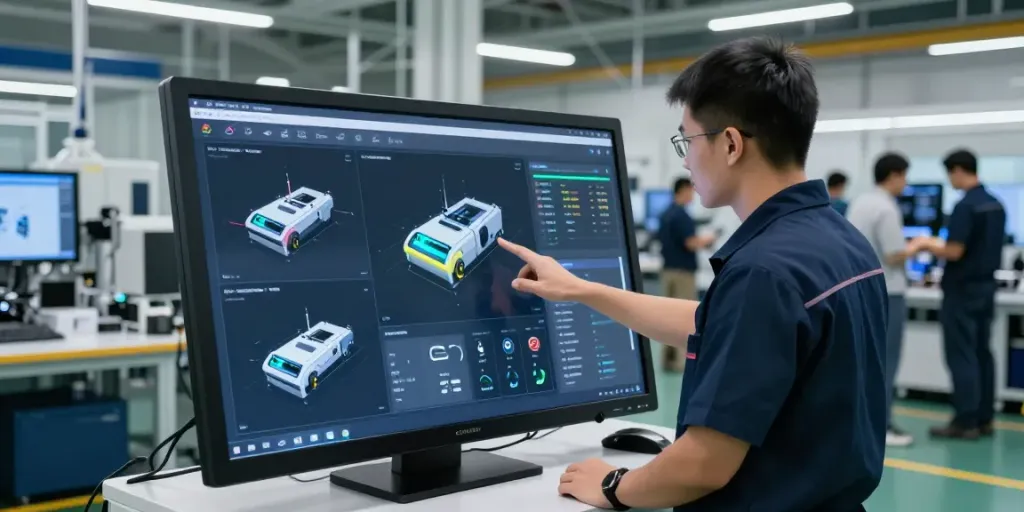
The ability to visualize products in three dimensions is one of the most impactful features of configurator software. This capability enables customers to see their selections in real-time, providing a tangible sense of how the final product will look. By assisting customers in visualizing their choices, manufacturers can reduce the likelihood of returns and enhance the overall buying experience. Advanced rendering techniques also allow for realistic textures, colors, and lighting effects, which further engage users.
Integrations with Existing Manufacturing Systems
Effective configurator software must seamlessly integrate with existing systems, such as ERPs, CRMs, and inventory management software. This integration allows for automatic updates on stock levels, pricing, and customer data, facilitating a smoother workflow from configuration to production. For manufacturers, this means enhanced efficiency and a reduction in data silos across departments, leading to better decision-making and increased transparency.
User-Friendly Interfaces for Enhanced Customer Interaction
An intuitive user interface is crucial for ensuring that customers have a positive experience when using configurator software. The interface should guide users through the configuration process, making it easy to understand product options and features. By minimizing complexity, manufacturers can cater to a broader audience, including those who may not be technologically savvy.
Steps to Implement Configurator Software in Your Factory
Assessing Your Factory’s Needs and Workflow
Before adopting custom configurator software, manufacturers must evaluate their specific needs and workflow processes. Understanding the types of products being manufactured and the customer customization requirements will enable businesses to select the most suitable software solution. Conducting a thorough assessment involves engaging with various stakeholders, from sales and production teams to customer service representatives, to gather insights into current challenges and desired outcomes.
Choosing the Right Software for Your Product Range
Selecting the right configurator software is crucial for successful implementation. Manufacturers should consider factors such as compatibility with existing systems, ease of use, scalability for future growth, and the ability to accommodate complex product options. It is advisable to seek solutions that allow for customization and flexibility to adapt to evolving market demands.
Collaborating with Software Vendors for Custom Solutions
Working closely with software vendors is essential for creating a successful configurator. Collaboration allows manufacturers to provide product catalogs, specifications, and business rules necessary for the configurator to function effectively. Regular communication with vendors also facilitates troubleshooting and enhancements, ensuring that the configurator remains aligned with business goals and customer needs.
Challenges in Adopting Custom Configurator Software
Overcoming Resistance to Change Among Teams
Implementing new technology often meets resistance from team members who may be accustomed to traditional workflows. It is crucial to foster a culture that embraces change through training, demonstration of benefits, and ongoing support. By highlighting how configurator software can ease workloads and improve efficiency, management can encourage staff to adopt new practices willingly.
Ensuring Data Accuracy Across Systems
Data accuracy is paramount in manufacturing. Mismatches between the configurator, inventory, and production systems can lead to errors and customer dissatisfaction. Therefore, regular audits and checks are necessary to ensure that all systems are aligned and that data integrations function as intended. Utilizing automated data synchronization tools can significantly reduce the risk of discrepancies.
Navigating the Learning Curve for New Users
Introducing new software can lead to a learning curve for employees. Comprehensive training programs should be established to educate users on the configurator’s functionalities, thereby increasing adoption rates. Providing tutorials, hands-on workshops, and accessible support resources can help demystify the software and empower employees to use it effectively.
The Future of Custom Configurator Software in Manufacturing
Emerging Trends to Watch in 2026
As technology continues to evolve, so too will the capabilities of custom configurator software. Key trends to watch for include the increased use of artificial intelligence (AI) to enhance personalization, machine learning algorithms that predict customer preferences, and advanced data analytics tools that provide insights into user behavior. These advancements will further refine the configurator experience, making it easier for manufacturers to cater to the specific needs of their customers.
Impact of Artificial Intelligence on Product Configuration
AI is set to revolutionize the way configurators function by enabling more complex and intelligent decision-making processes. For example, AI can analyze customer preferences and purchase history to suggest configurations that align with their prior choices. This capability not only personalizes the shopping experience but also enhances the efficiency of order processing by reducing the time spent on manual configurations.
Case Studies of Successful Implementations
Several manufacturers have successfully integrated custom configurator software into their operations, achieving impressive results. For instance, a leading modular furniture manufacturer reduced their order processing time by over 30% by implementing a configurator that streamlined the entire workflow from customer selection to production. Another case involved a custom car manufacturer that utilized a 3D configurator, leading to a 50% increase in customer engagement and a noticeable boost in sales.
What is the best software for a factory?
The "best" software often depends on the specific needs of the factory. Factors such as product complexity, existing systems, and user interface preference all play a critical role in the selection process.
How does custom configurator software improve efficiency?
By automating the configuration and production workflow, custom configurator software enhances efficiency. It reduces manual errors, streamlines communications between departments, and accelerates the quote and order process.
Can configurators be tailored to different manufacturing needs?
Yes, configurators can be customized to suit a wide variety of manufacturing needs, accommodating different product types, configurations, and business processes.
What should I consider before choosing configurator software?
Consider factors such as integration capabilities, user experience, scalability, support and training offerings, and the ability to customize for your specific product lines.
How can I measure the success of configurator software?
Success can be measured through various metrics, including the reduction in processing time, improvements in order accuracy, customer feedback, and overall sales growth following implementation.