Understanding CNC Machining Parts: A Comprehensive Overview
CNC machining parts are integral to modern manufacturing, playing a crucial role in producing high-quality components across various industries. Since its inception over two decades ago, CNC (Computer Numerical Control) technology has evolved significantly, allowing manufacturers to produce parts with unparalleled precision and efficiency. This article delves into the world of CNC machining, examining its evolution, applications, and the benefits it brings to production processes.
What Are CNC Machining Parts?
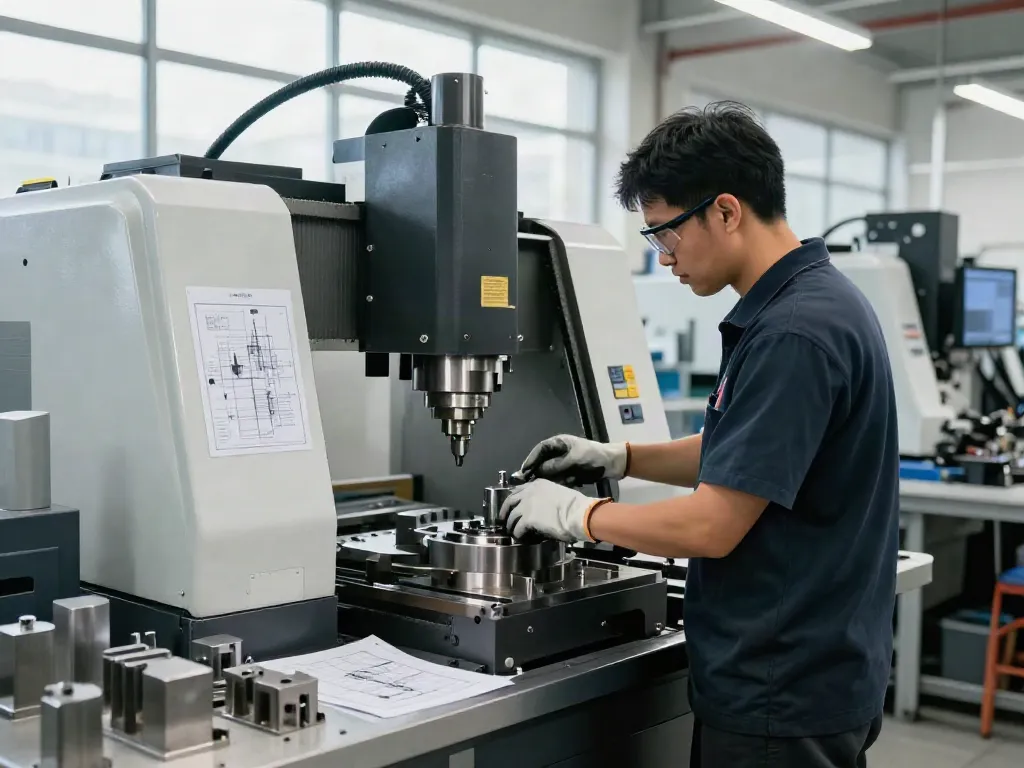
CNC machining parts refer to components created through the process of CNC machining, where pre-programmed computer software dictates the movement of factory tools and machinery. This technology enables the automated control of machining tools such as drills, lathes, and mills. As a result, manufacturers can create complex shapes and designs with minimal human intervention, ensuring high precision and repeatability in production.
The Evolution of CNC Machining Technology
The journey of CNC machining began in the 1940s and 50s when the first numerical-controlled machines were developed. These early machines required manual input and were limited in capability. However, with advancements in computer technology and control systems, CNC machines have become highly sophisticated. Today's CNC machining equipment incorporates features like multi-axis capability, automated tool changers, and enhanced software for simulation and error checking, making it possible to produce intricate and high-quality cnc machining parts.
Applications of CNC Machining in Various Industries
CNC machining parts find applications across a multitude of sectors, including automotive, aerospace, electronics, medical, and consumer goods. For instance, in the automotive industry, precision components such as engine blocks and transmission parts are typically made using CNC machining to ensure reliability and efficiency. Similarly, the aerospace sector relies on CNC machining for producing lightweight yet durable components, critical for aircraft performance and safety. Notably, cnc machining parts are also essential in the medical field, where precision is paramount for devices such as surgical instruments and implants.
Key Benefits of Using CNC Machining Parts in Production
The adoption of CNC machining in manufacturing processes comes with several advantages that significantly enhance product quality and production efficiency.
Precision and Accuracy in Manufacturing
One of the most significant benefits of CNC machining is the high level of precision it offers. CNC machines operate based on computer-generated programming, allowing them to create parts with tolerances as tight as ±0.005 mm. This high accuracy ensures that each component is produced consistently, making it ideal for industries where precision is critical.
Increased Efficiency and Reduced Lead Times
CNC machining automates many aspects of the manufacturing process, resulting in faster production rates and reducing lead times. With the capability to run unattended during off-hours, CNC machines can produce parts continuously, enabling manufacturers to meet tight deadlines and increasing overall productivity.
Cost-Effectiveness and Waste Minimization
Another crucial advantage is the cost-effectiveness of CNC machining. While the initial setup costs can be high, the reduction in material waste and the ability to produce parts more efficiently lead to lower costs over time. Additionally, CNC machining minimizes human error, which can be costly in terms of rework and rejected parts.
Challenges in CNC Machining Parts Production
Despite the many benefits, CNC machining production does face certain challenges that manufacturers must navigate to optimize their processes.
Common Misconceptions About CNC Machining
Many industry newcomers mistakenly believe that CNC machining eliminates the need for skilled operators. While automation plays a significant role, skilled technicians are still essential for programming, maintaining, and troubleshooting CNC machines, ensuring that they operate efficiently and effectively.
Technical Limitations and Solutions
Technical limitations, such as the types of materials that can be machined and the complexity of designs, can present challenges. However, advancements in tooling and technology, including the introduction of additive manufacturing techniques, are continually expanding the range of materials and complexity that can be achieved with CNC machining.
Skill Gaps and Workforce Training Needs
As the industry grows, there is a rising demand for skilled machinists who are trained in CNC technology. Manufacturers must invest in workforce training programs to bridge these skill gaps and keep up with technological advancements. Offering apprenticeships and ongoing professional development can help attract skilled workers into the CNC machining field.
Best Practices for Implementing CNC Machining Parts
To maximize the benefits of CNC machining, manufacturers should follow best practices in their operations.
Choosing the Right Materials for Your CNC Parts
The material chosen for CNC machining significantly impacts the performance and cost of the final product. Metals like aluminum and steel are commonly used for their durability and strength, while plastics like polycarbonate and nylon offer lightweight alternatives for specific applications. Understanding material properties is essential for successful machining.
Design Considerations for Optimal Machining
Effective design for CNC machining involves considering factors such as part geometry, tolerances, and surface finishes. Designing with machinability in mind can lead to more efficient production processes and help avoid costly modifications after the design phase.
Quality Control Processes in CNC Production
Implementing rigorous quality control processes is vital to maintain high standards in CNC machining. Techniques such as statistical process control (SPC) can help identify and address variances in production quality, ensuring that all cnc machining parts meet the required specifications.
The Future of CNC Machining Parts: Trends for 2026 and Beyond
Looking ahead, several trends are shaping the future of CNC machining, driven by technological advancements and shifting market demands.
Emerging Technologies in CNC Machining
Emerging technologies, such as artificial intelligence (AI) and the Internet of Things (IoT), are beginning to influence CNC machining processes. AI-enhanced software can optimize machining paths and reduce cycle times, while IoT devices can provide real-time data monitoring, improving operational efficiency and machine maintenance schedules.
Environmental Sustainability in Manufacturing
As industries strive for sustainability, CNC machining is adapting by incorporating eco-friendly practices, such as using recyclable materials and implementing energy-efficient production methods. The focus on reducing carbon footprints is becoming increasingly important for manufacturers looking to align with global sustainability goals.
Predictions and Innovations Shaping the Industry
Innovation will continue to shape the CNC machining industry, with predictions indicating advancements in automation and robotics, enhancing both production capacity and flexibility. As manufacturers seek to fulfill the growing demand for customized products, the ability to rapidly adapt machining processes will be pivotal in maintaining a competitive edge.
What are the 7 major parts of a CNC machine?
The major parts include the controller, machine bed, spindle, axes, drive system, coolant system, and tool holder. Each component plays a critical role in the functionality and performance of the machine.
How much does it cost to get a part CNC machined?
Costs can vary based on factors such as material, complexity, and quantity. Generally, CNC machining can be cost-effective for small to medium production runs due to its efficiency and precision.
What are CNC machined components?
CNC machined components are parts created through the CNC machining process, which can include anything from simple brackets to complex gears and housings, tailored to specific applications and industries.
Can a CNC machinist make 100k a year?
Yes, experienced CNC machinists, especially those with advanced skills in programming and setup, can earn salaries exceeding $100,000 per year, depending on their location and the industry they work in.
What is the role of CNC machining in modern manufacturing?
CNC machining plays a vital role in modern manufacturing by providing precision, speed, and repeatability. As industries continue to evolve, CNC machining remains at the forefront, enabling the production of innovative designs and high-quality products.