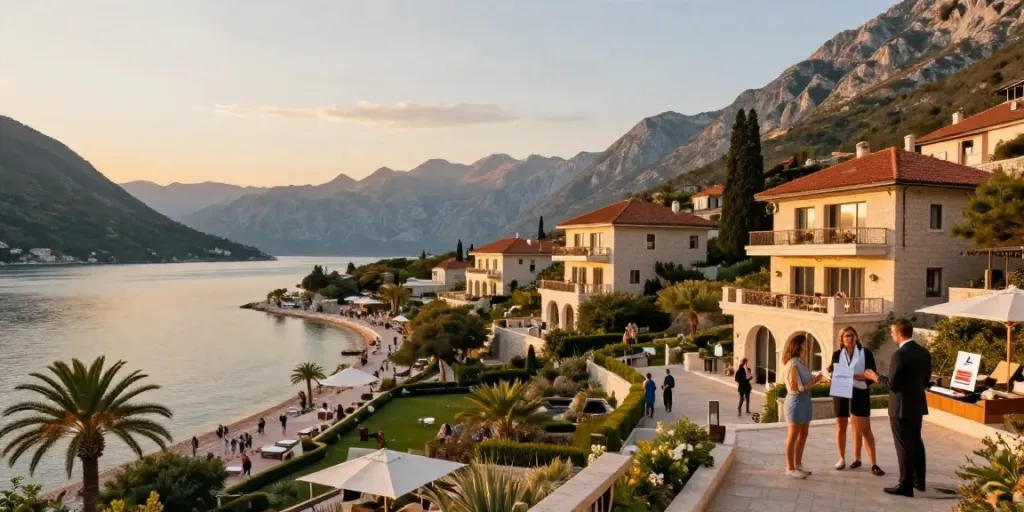
Understanding the Basics of تكاليف شراء عقار في الجبل الأسود
Buying property in Montenegro can be an exciting investment opportunity for both local and foreign buyers. The allure of its stunning landscapes, rich history, and favorable climate make it an attractive option for those looking to invest in real estate. However, prospective buyers must be aware of the various costs associated with purchasing property, as these can significantly impact their overall investment. When exploring options, تكاليف شراء عقار في الجبل الأسود can provide comprehensive insights into the process.
What are the Initial Costs?
The initial costs of purchasing a property in Montenegro can vary significantly based on the type and location of the property. Typically, buyers should budget for the following expenses:
- Deposit: A deposit is usually required when signing a purchase agreement, typically ranging from 5% to 10% of the property price.
- Notary Fees: These fees can amount to about 0.5% to 1% of the property value, depending on the complexity of the transaction.
- Property Appraisal: If the buyer is financing the purchase, an appraisal may be necessary, costing around €300 to €500.
- Insurance: Insuring the property is advisable, with annual premiums typically varying based on value and location.
Taxes and Fees Explained
In addition to initial costs, several taxes and fees must be considered in the overall budget.
- Property Transfer Tax: This tax is generally 3% of the purchase price in Montenegro and must be paid within a specified timeframe after the purchase.
- Legal Fees: Hiring a local attorney to navigate the legalities is essential; legal fees can range from €500 to €1,500.
- Maintenance Fees: If purchasing in a condominium or managed property, regular maintenance fees will apply.
Financing Options for Foreign Buyers
Foreign buyers may face challenges when seeking financing for property purchases in Montenegro due to stricter lending regulations. However, several options are available:
- Local Banks: Some local banks offer mortgage loans to foreigners, often requiring a substantial down payment of 30% or more.
- Cash Purchases: Many investors choose to buy property outright to avoid complications with financing.
- International Loan Services: Some international financial institutions provide loans for overseas property purchases.
Real Estate Market Trends in Montenegro for 2026
As we move into 2026, the Montenegrin real estate market shows signs of growth influenced by various factors, including economic developments and tourism. Understanding these trends is crucial for anyone considering investing in property.
Property Value Predictions
Market analysts predict a steady increase in property values across Montenegro, particularly in popular tourist destinations. The average price per square meter is expected to rise, making now a strategic time for investment. Coastal regions may see increments of up to 5% annually, while inland areas may experience slower growth.
Popular Regions for Investment
Certain regions within Montenegro are gaining attention from investors:
- Budva: This coastal city remains a hotspot due to its vibrant nightlife and beaches.
- Kotor: Known for its historical significance and stunning bay, Kotor is attracting more buyers looking for unique properties.
- Tivat: The newly developed Porto Montenegro is enticing high-net-worth individuals and international buyers.
Impact of Tourism on Property Prices
The influx of tourists has a significant effect on property prices in Montenegro. As the tourism industry continues to thrive, particularly in the summer months, demand for rental properties, especially vacation homes, is expected to rise, further driving up property values. This trend makes investing in real estate a potentially lucrative opportunity.
Legal Considerations in Buying Property
When considering purchasing property in Montenegro, being aware of the legal implications is vital to ensure a smooth transaction. Foreigners can own property, but they must navigate specific regulations.
Understanding Ownership Rights for Foreigners
While foreigners can buy property in Montenegro, there are some restrictions based on property type and location. Generally, residential properties are more accessible, while land purchases may involve additional regulations.
Common Legal Pitfalls to Avoid
Before finalizing a property purchase, buyers should avoid common legal pitfalls:
- Insufficient Due Diligence: Failing to thoroughly research the property's history can lead to legal issues down the line.
- Ignoring Local Regulations: Understanding local property laws and regulations is crucial for compliance.
- Inadequate Contracts: Ensure that contracts are clear and comprehensive, ideally overseen by a legal expert.
Engaging Local Legal Experts
Hiring a local attorney who specializes in property transactions can save buyers considerable time and money. Legal experts can navigate the complexities of Montenegrin property law and ensure that all documentation is correctly managed.
Real-Life Case Studies of Successful Investments
Exploring real-life case studies of successful property investments can provide invaluable insights into the Montenegrin market. These examples can help motivate and guide prospective investors.
Featured Success Stories of Foreign Buyers
Many foreign buyers have successfully navigated the Montenegrin property market:
- John’s Coastal Villa: An American investor purchased a villa in Tivat, which appreciated in value significantly within three years, demonstrating the potential for high returns.
- Sara’s Apartment in Kotor: By buying a historic apartment in Kotor, Sara capitalized on the tourism boom, leading to consistent rental income.
How Location Influences Property Investment
The location of a property greatly impacts its investment potential. Properties in tourist-heavy areas or near emerging developments are more likely to see a rise in value.
Lessons Learned from Market Experts
Experts emphasize the importance of researching the market, being patient, and understanding local dynamics before making an investment.
Future Predictions and Opportunities in the Real Estate Sector
As we look towards the future, opportunities in Montenegro’s real estate sector are set to expand. Investors and homeowners alike should stay informed about key trends and evolving market conditions.
Emerging Markets and Developments
Areas that were previously overlooked are now emerging as investment hotspots. Regions like Nikšić and Bijelo Polje are beginning to draw interest due to their potential for growth and development.
Government Regulations Affecting Foreign Investment
The Montenegrin government continues to promote foreign investment. Recent measures may streamline the property acquisition process for foreigners, making it easier to invest.
Technological Innovations Impacting Real Estate
Advancements in technology, such as virtual reality tours and online property management tools, are improving the way properties are marketed and managed. These tools can enhance the buying experience for international investors.
What are the main costs associated with buying property in Montenegro?
Main costs include the purchase price, taxes, notary fees, and legal fees. Buyers should also factor in maintenance costs for the property.
How do property prices in Montenegro compare to other European countries?
Property prices in Montenegro are generally more affordable compared to many Western European countries, making it an attractive investment destination.
What legal paperwork is necessary for purchasing property?
Necessary paperwork typically includes a purchase agreement, proof of identity, property title, and receipts for taxes paid.
What are the financing options available for foreigners?
Foreigners can opt for local bank mortgages, international loans, or consider cash purchases to simplify the buying process.
How has tourism affected the real estate market in Montenegro?
Tourism has significantly boosted demand for rental properties, leading to increased property values and investment opportunities.