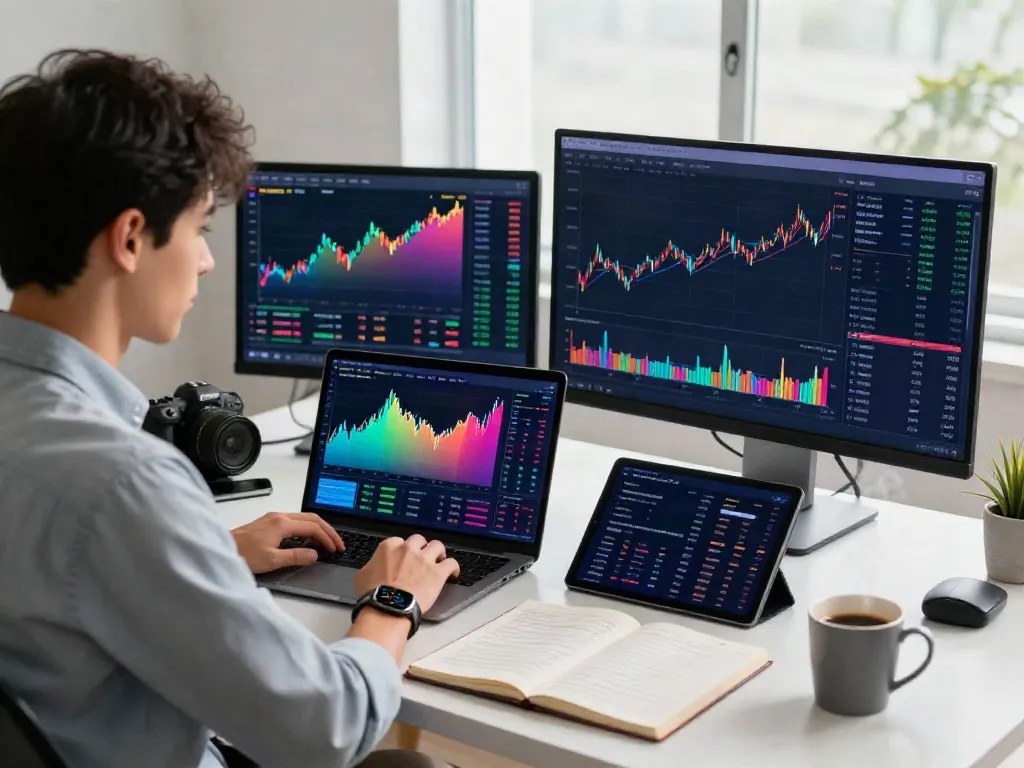
Understanding Stock Market Data Feeds
In an era where information transparency is paramount, accessing reliable and timely data is crucial for anyone looking to make informed financial decisions. A stock market data feed serves as an essential conduit for delivering real-time market information, ensuring that traders and investors can act swiftly to capitalize on market changes. This article explores the various dimensions of market data feeds, their advantages over traditional methods, and the role of technology in shaping the future of trading.
Definition and Purpose of Market Data Feeds
Market data feeds are standardized information streams that provide real-time and historical data regarding financial instruments. They include critical data points such as price quotes, bid-ask spreads, trading volumes, and other relevant metrics. These feeds are essential for stock traders, forex participants, and cryptocurrency investors alike, as they enable sophisticated trading operations, reduce latency, and enhance decision-making processes.
Key Components of Real-Time Data Feeds
A comprehensive market data feed consists of several elements including:
- Quote Data: Real-time information on current buy and sell prices.
- Trade Data: Historical and real-time trade executions.
- Order Book Data: The current status of buy and sell orders.
- Depth of Market (DOM): Visualization of order bid/ask distributions.
By aggregating and disseminating this data, market feeds enable users to gain insights that inform their trading strategies, allowing for better risk management and operational efficiency.
How Stock Market Data Differs from Other Asset Classes
While the principles behind market data feeds apply across various asset classes, differences exist in the underlying technologies and market structures. For example:
- Stocks: Markets are generally less volatile, with well-established regulatory frameworks controlling trades.
- Forex: The forex market operates 24/5 and is highly liquid, impacting data frequency and market depth measurements.
- Cryptocurrency: This is a rapidly evolving field with considerable volatility and the introduction of decentralized finance (DeFi) protocols, necessitating high-speed data handling capabilities.
The Benefits of WebSocket Over REST APIs
The technological landscape is continually shifting, and with it, the methods for data collection and dissemination. WebSocket technology emerges as a front-runner in delivering market data efficiently compared to traditional REST APIs, particularly valuable for high-frequency trading activities.
Understanding WebSocket Technology
WebSocket is a communication protocol that establishes a continuous connection between a client and server, allowing for real-time exchange of data. Unlike REST APIs, which require repeated requests to refresh data (polling), WebSockets offer a persistent connection that facilitates immediate data delivery as it becomes available. This technology is becoming increasingly vital in high-stakes trading environments where milliseconds can significantly impact profitability.
Real-Time Price Updates and Data Accuracy
With WebSocket, price updates are transmitted in real-time, ensuring users receive accurate and current market conditions. This capability is crucial for traders looking to execute strategies based on time-sensitive metrics. Enhanced data accuracy means traders can cut down on errors that result from polling delays, thus optimizing their trading strategies.
How to Switch from REST to WebSocket for Beginners
Transitioning from REST to WebSocket can seem daunting at first. However, the process can be streamlined. Beginners should familiarize themselves with the following steps:
- Set up the WebSocket connection using the appropriate library for the programming language used (e.g., JavaScript, Python).
- Utilize the WebSocket API for subscribing to relevant market channels.
- Implement error handling for connection drops and reconnections.
- Process incoming JSON data messages for actionable insights.
Integrating Stock Market Data Feeds into Applications
As demand for real-time data continues to grow, developers are seeking to integrate robust market data feeds into various applications. Innovative traders and financial analysts are leveraging this information for predictive analysis, algorithmic trading, and portfolio management.
APIs for Developers: Getting Started
To embark on integrating a market data feed, developers should select a suitable API provider that aligns with their technical requirements. Essential considerations include:
- API Documentation: Ensure comprehensive guides are available to facilitate integration.
- Data Coverage: Examine the asset classes supported and geographic data availability.
- Connection Methods: Choosing between WebSocket for real-time data and REST for request-based data.
Use Cases for Trading Bots and Fintech Apps
Real-time market data feeds are crucial for applications such as:
- Trading Bots: Automated algorithms that react instantly to market conditions.
- Fintech Applications: Apps that assist users in assessing financial metrics for better investment decisions.
These use cases highlight the versatility and necessity of integrating real-time data within various platforms.
Designing Efficient User Interfaces for Data Display
User interface design plays a pivotal role in how market data is presented to end-users. Here are some considerations for creating effective displays:
- Visual Clarity: Ensure charts and data are easy to interpret, minimizing cognitive load on users.
- Real-Time Updates: Implement live tickers and alerts to notify users of price changes.
- Customizable Layouts: Allow users to configure their dashboards based on individual preferences.
Security Best Practices for Market Data Usage
The integration of market data feeds comes with inherent security risks that stakeholders must address proactively. An emphasis on security fosters user trust and protects sensitive financial information.
Protecting API Keys and Tokens
API keys and authentication tokens are gateways to accessing market data. These should be kept confidential, utilizing secure storage solutions and limiting permissions to minimize exposure to potential breaches. Employing strategies like environmental variables for storage can significantly enhance security.
Common Threats to Data Integrity
Data integrity is at risk from numerous threats, including:
- Phishing Attacks: Users may fall victim to campaigns that trick them into disclosing sensitive information.
- Malware: Malicious software can compromise systems, gaining unauthorized access to financial data.
- Man-in-the-Middle Attacks: Certain communication protocols could allow attackers to intercept and alter data streams.
Implementing Secure Connections and Authentication
Security measures include:
- Secure Sockets Layer (SSL): Encrypt connections to protect data transmitted over the internet.
- Two-Factor Authentication (2FA): Adding an extra layer of permission confirmation.
- Regular Audits: Conducting frequent audits on smart contracts and data usage policies to ensure compliance with security standards.
The Future of Stock Market Data Feeds in Crypto Trading
The landscape of trading is evolving rapidly, with significant implications for how data feeds are utilized. Stakeholders need to adapt to innovations that shape the future of finance.
Emerging Trends in Market Data Technology
Technological advancements in processing power and analytics are transforming data feeds. Key trends include:
- AI and Machine Learning: Predictive analytics are being integrated for more informed decision-making.
- Blockchain Technology: Utilizing decentralized networks to enhance data accuracy and security.
- Real-Time Data Aggregation: Aggregating data from multiple sources for a holistic view of market conditions.
Potential Regulatory Changes Impacting Data Access
With evolving market conditions, regulatory bodies are likely to impose new requirements that influence how data can be accessed. The implications of these regulations necessitate that companies remain compliant while meeting user demands.
Preparing for a Decentralized Trading Future
The rise of decentralized exchanges (DEXs) and smart contract platforms indicates a shift towards user-owned trading experiences. In this future landscape, data feeds will need to adapt to ensure that decentralized networks can maintain the same level of reliability and speed currently provided by centralized systems.
What is a stock market data feed?
A stock market data feed is a stream of real-time and historical market data that delivers critical insights for making trading decisions. It includes price quotes, trading volumes, and order book data, serving a diverse array of market participants.
How does WebSocket technology improve trading?
WebSocket technology enhances trading by offering real-time data updates that are pushed immediately rather than requiring continuous polling requests, thereby reducing latency and facilitating rapid responses to market changes.
What security measures should I use for market data integration?
Essential security measures include protecting API keys, employing two-factor authentication, and ensuring that all communications are encrypted. Regular audits and proactive threat monitoring should also be enforced to maintain data integrity.
Are there free sources for stock market data?
While many professional services charge for access to comprehensive data feeds, some platforms offer limited free access with certain restrictions, such as delayed quotes or a smaller asset coverage.
How can I optimize my trading strategies with market data feeds?
Effectively utilizing market data feeds can lead to improved trading strategies through enhanced data accuracy, real-time analytics, and the ability to implement algorithmic trading based on up-to-the-millisecond updates.