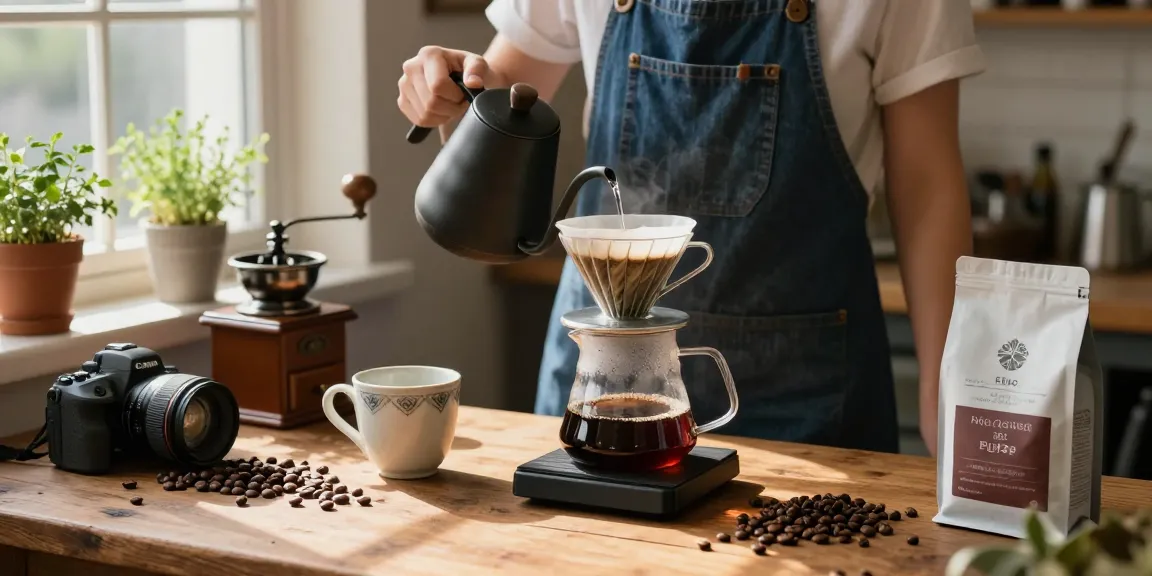
The Art of Pour-Over Coffee
Pour-over coffee has emerged as a celebrated method for brewing rich and flavorful cups. This technique allows coffee enthusiasts to have complete control over the brewing process, leading to a tailored coffee experience. As coffee culture advances, understanding the intricacies of this method—from selecting the right beans to mastering the brewing technique—is essential for any coffee lover. For those seeking to enhance their pour-over experience, www.ebbfilter.com offers innovative products, like reusable filters made from upcycled denim, which ensure a sustainable brewing practice.
Understanding the Pour-Over Method
The pour-over method is favored for its simplicity and the ability to highlight the unique characteristics of coffee beans. The process involves manually pouring hot water over coffee grounds, which allows for even extraction and a clean flavor profile. Key to this method is maintaining the correct water temperature and flow rate, both of which significantly impact the final taste.
Essential Equipment: Choosing the Right Tools
To produce the perfect pour-over, you'll need a few essential tools:
- Pour-Over Dripper: Devices like the Hario V60 or Chemex are popular choices that facilitate optimal extraction.
- Gooseneck Kettle: A kettle with a narrow spout allows for precise control over the water flow.
- Scale: Measuring coffee and water accurately helps maintain consistency.
- Quality Filters: Ebb's reusable filters not only save money but also enhance sustainability in your coffee routine.
Top Benefits of Using Ebb Filters
One of the standout features of Ebb filters is their commitment to sustainability. Made from upcycled denim, these filters reduce waste while providing superior filtration. They allow essential oils to pass through, creating a fuller-bodied cup of coffee, unlike traditional paper filters that can absorb some of these oils.
Crafting Your Signature Brew
Creating a unique signature brew requires attention to detail and a willingness to experiment. This section will guide you through selecting quality beans, fine-tuning your brewing technique, and adjusting for personal taste preferences.
Selecting Quality Coffee Beans
The foundation of a great cup of coffee starts with high-quality beans. Look for beans that are freshly roasted and sourced directly from farms, ensuring optimum flavor and aroma. Consider experimenting with different single-origin coffees to discover unique flavor profiles.
Perfecting Your Brewing Technique
Once you have your beans, the brewing technique comes into play. Begin by weighing your coffee and water for each brew to ensure consistency. Blooming the coffee by adding a small amount of water initially allows the gases to escape, which enhances the flavor extraction during the full brew.
Adjusting for Taste and Strength
Taste is subjective, and personal preference plays a crucial role in brewing. Adjust the coffee grind size and water temperature according to your taste. A finer grind increases extraction, while a coarser grind results in a lighter brew. Experimentation is key, as you seek your perfect cup.
Upcycling in the Coffee Culture
As coffee enthusiasts become more environmentally conscious, upcycling has carved a niche in coffee culture. This practice not only reduces waste but also promotes creative reuse of materials in everyday items.
The Impact of Upcycled Denim on Sustainability
Upcycled denim is a unique material choice for coffee accessories, particularly with Ebb filters. Using discarded denim not only reduces landfill waste but also contributes to a more sustainable production cycle in the coffee industry. This aligns with a growing trend where consumers are looking to balance their love for coffee with environmental responsibility.
Incorporating Sustainable Practices in Your Kitchen
Adopting sustainable practices in your kitchen can extend beyond just using upcycled materials. Consider the following tips:
- Composting: Coffee grounds can enrich your garden soil.
- Reusable Filters: Switch to alternatives like Ebb filters to minimize waste.
- Local Sourcing: Support local roasters and farmers to reduce your carbon footprint.
Success Stories: Brands Leading in Upcycling
Brands such as Ebb are at the forefront of the upcycling movement in coffee culture. By incorporating innovative materials into their products, they inspire both consumers and other businesses to prioritize sustainability, showing that eco-friendly practices can coexist with quality.
Getting Involved: Community and Events
Engagement with the coffee community enhances the overall experience of coffee brewing and appreciation. There are numerous ways to participate, from local events to online platforms.
Local Coffee Events and Meetups
Participating in local coffee events allows enthusiasts to exchange ideas, taste new brews, and learn more about coffee preparation techniques. Look for workshops or tastings at local coffee shops and roasteries to connect with fellow coffee lovers.
Engaging with the Coffee Community Online
The online coffee community is vibrant and full of resources. Platforms such as social media offer forums for sharing techniques, recipes, and experiences. Join groups or follow accounts that align with your interests and values, particularly those focused on sustainability.
Contributing to Sustainable Coffee Initiatives
Many organizations focus on promoting sustainable practices within the coffee industry. Supporting these initiatives not only helps foster growth but also ensures the future of coffee cultivation is sustainable. Look for opportunities to volunteer or contribute to campaigns advocating for eco-friendly coffee practices.
Future Trends in Coffee Brewing
As we look towards 2026, several emerging trends are set to shape the coffee brewing landscape, driven by advancements in technology and a stronger focus on sustainability.
Emerging Techniques for 2026
Innovative brewing techniques, such as cold brew and nitro coffee, are gaining traction, offering unique beverage options for consumers. Furthermore, methods that emphasize flavor extraction through precise control of brewing variables are becoming more popular among coffee aficionados.
The Role of Technology in Coffee Brewing
Technology is revolutionizing the coffee brewing process, with smart devices allowing for precision brewing at home. These devices can monitor variables like temperature and extraction time, providing users with data-driven insights into their coffee-making process.
Predictions for the Future of Sustainable Coffee
The future of coffee brewing is expected to see an even greater emphasis on sustainability. As consumer demand rises, brands will likely continue to innovate in sustainable sourcing and production practices, ensuring that coffee remains an eco-friendly choice for consumers.
What is the best technique for pour-over coffee?
The best technique for pour-over coffee combines the right equipment with precise brewing methods. Begin by using freshly ground beans, ensure consistent water temperature, and practice a steady pouring technique for the best results.
How do Ebb filters enhance the coffee experience?
Ebb filters enhance the coffee experience by allowing the essential oils to pass through during brewing, resulting in a richer, fuller flavor profile. Their design also ensures effective filtration without the environmental impact of disposable options.
What unique features does Ebb's denim apron provide?
Ebb's denim apron is not only stylish but also functional, providing protection while brewing coffee and made from sustainable materials. Its durability ensures longevity, making it an ideal choice for the kitchen or café environment.
Are there community events for coffee enthusiasts?
Yes, numerous local events and online groups exist for coffee enthusiasts to connect, share experiences, and learn more about coffee culture. Check local listings for tastings, workshops, and barista competitions in your area.
How can I incorporate sustainability in my coffee routine?
Incorporating sustainability into your coffee routine can be achieved by using reusable filters, sourcing locally, and composting coffee grounds. Every small change contributes to a larger impact on the environment.