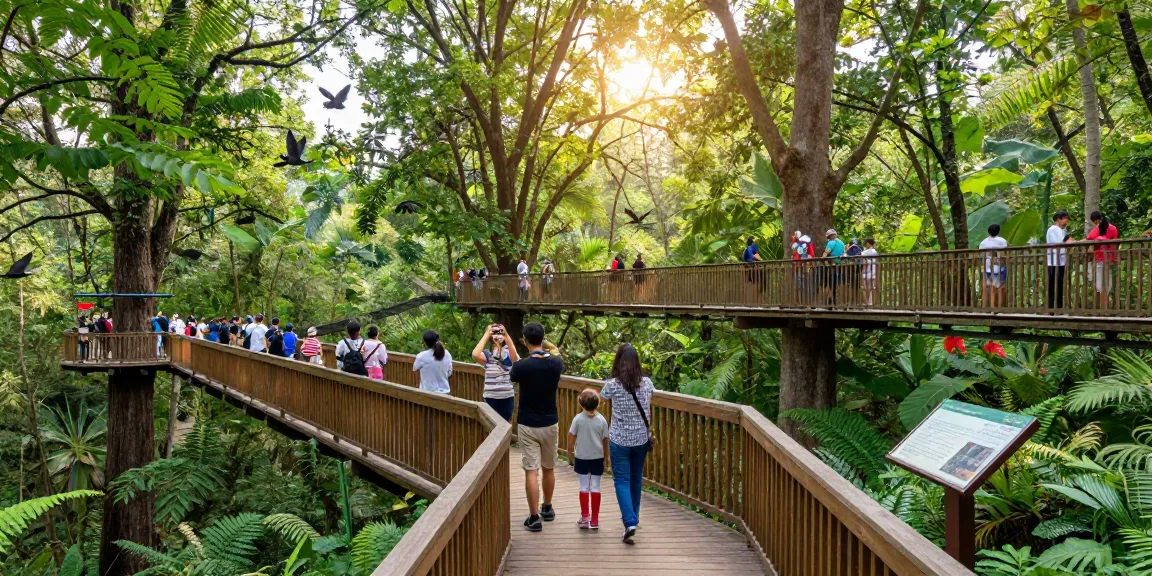
Understanding the Treetop Walkway Experience
Exploring nature from a completely new perspective is one of the most enriching experiences one can have, and a Treetop Walkway offers just that. These elevated pathways, often suspended high above the forest floor, allow visitors to immerse themselves in the breathtaking beauty of the canopy. As you traverse these walkways, you gain access to a unique ecosystem, witnessing the interplay of light and shadow as it filters through leaves, while the sounds of wildlife surround you. This article delves into what a treetop walkway is, its numerous benefits, the best locations to visit in 2026, and practical tips for planning your adventure.
What is a Treetop Walkway?
A treetop walkway, also known as a canopy walkway or treetop walk, is an elevated pathway designed to provide pedestrian access to the forest canopy. These structures vary in design and length but typically span from a few hundred feet to over a mile, reaching heights of up to 200 feet above the ground. While walking on these walkways, visitors can observe the intricate network of branches and leaves that form the habitat for countless species. These walkways are not just trails; they are paths that enhance your connection to nature, revealing layers of the forest ecosystem that would otherwise remain hidden.
Benefits of Visiting a Treetop Walkway
Visiting a treetop walkway offers a plethora of benefits:
- Unparalleled Views: Experience stunning panoramic vistas of the forest and beyond, often revealing landscapes that are inaccessible from the ground.
- Wildlife Observation: Gain a unique vantage point for observing birds, insects, and other wildlife that thrive in the canopy.
- Physical Activity: Walking along a treetop walkway is a great way to engage in physical exercise while enjoying nature.
- Educational Opportunities: Many treetop walkways incorporate informative displays or guided tours about the flora and fauna, helping to enhance your understanding of the environment.
- Connection to Nature: The experience of being surrounded by trees and the sounds of nature reaffirms our connection to the environment, promoting mental well-being.
Best Locations for Treetop Walkways in 2026
As interest in sustainable tourism grows, several exceptional treetop walkways have emerged worldwide. Here are some of the best locations to experience a treetop walkway in 2026:
- Royal Botanic Gardens, Kew, London: Home to an 18-meter-high walkway, visitors can stroll among the treetops while learning about the garden's rich history and biodiversity.
- Treetop Walk at The Wild Center, New York: This immersive experience allows visitors to walk high above the forest floor, offering spectacular views of the Adirondack wilderness.
- The Murch Canopy Walk, Holden Arboretum, Ohio: A 500-foot-long walkway, reaching 65 feet above ground, provides access to various species of trees and plants.
- Valley of the Giants Treetop Walk, Australia: Known for its towering tingle trees, this walkway takes you high above the forest, offering unique perspectives and an exhilarating experience.
- Canopy Walkway at Tanglewood Nature Center, New York: Imagine a stroll 70 feet above the forest floor, surrounded by vibrant wildlife and lush greenery.
Planning Your Visit to a Treetop Walkway
To maximise your adventure on a treetop walkway, adequate planning is essential. The following insights will help you prepare for a successful visit:
Essential Gear for Treetop Walkway Adventures
When visiting a treetop walkway, dressing appropriately ensures comfort and safety. Consider the following essentials:
- Comfortable Footwear: Choose sturdy, supportive shoes for walking—preferably with good grip.
- Weather-Appropriate Clothing: Layer your clothing to adapt to changing weather conditions, and consider breathable materials to stay cool.
- Backpack: Carry a small backpack with water, snacks, and possibly binoculars for wildlife viewing.
- Camera: Capture your adventure by bringing a camera or smartphone to document your journey.
Safety Tips for Navigating Elevated Pathways
Safety is paramount when walking on elevated structures. Here are essential tips to keep in mind:
- Follow Guidelines: Adhere to all posted signs and guidelines provided by the walkway’s management.
- Stay on Designated Paths: Ensure you remain on the designated walkway to avoid any accidents or damage to the surrounding environment.
- Be Aware of Your Surroundings: Keep an eye on other visitors, especially children, to ensure everyone enjoys the experience safely.
- Check Weather Conditions: Before your visit, verify local weather forecasts to avoid discomfort during inclement weather.
Best Times to Visit Treetop Walkways
The experience of a treetop walkway can vary significantly depending on the season and time of day. Optimal visiting times include:
- Morning: Early hours are ideal for wildlife observation when the forest is most active.
- Seasonal Considerations: Spring and autumn often offer the most visually stunning landscapes, with blooming flowers or vibrant fall foliage.
- Weekdays: If possible, visit during weekdays to avoid crowds and enhance your experience.
Engaging Activities on Treetop Walkways
Beyond merely walking, treetop walkways often offer a range of engaging activities:
Photography Opportunities from Above
A treetop walkway offers unique angles and perspectives for photography enthusiasts. With a camera in hand, you can capture the intricate patterns of leaves, the textures of tree bark, and expansive views of the surrounding landscape. Early morning or late afternoon light can enhance your shots with warm hues, while the vibrant colours of flora can create extraordinary images.
Wildlife Watching from the Canopy
Elevated walkways provide prime opportunities for wildlife observation. Look for various species of birds, insects, and other creatures that inhabit the treetops. Bring binoculars to enhance your viewing experience, and consider a field guide to assist in identifying the wildlife you encounter.
Guided Tours and Educational Programmes
Many treetop walkways offer guided tours, allowing participants to learn about local flora and fauna. Such programmes often include insights from experienced naturalists, making your visit both enjoyable and educational. If available, consider joining these tours for a richer experience.
Conservation and Environmental Impact
Treetop walkways play a significant role in conservation and sustainable tourism. They enable visitors to engage with nature while minimising ecological disruption.
How Treetop Walkways Support Biodiversity
These structures provide vital access to the forest canopy, allowing researchers to study biodiversity without disturbing the ecosystem. By elevating pedestrian traffic above sensitive ground habitats, walkways help protect the flora and fauna that live on the forest floor.
Eco-Friendly Practices in Treetop Walkway Designs
Many modern treetop walkways are constructed using sustainable materials and practices. Designs often incorporate local, renewable resources, and the pathways are built to ensure minimal impact on the surrounding environment. Additionally, some walkways include educational displays about conservation efforts and local ecology.
The Future of Forest Conservation via Elevated Walkways
The continued popularity of treetop walkways highlights the importance of conservation in tourism. As people become more aware and connected to nature, the potential for positive environmental impact increases. Future projects should focus on sustainability, ensuring that these recreational spaces continue to foster appreciation for the natural world.
Frequently Asked Questions
What should I wear for a Treetop Walkway visit?
Dress in layers to adapt to changing weather conditions, and wear comfortable footwear with good traction to navigate the walkway safely.
Are Treetop Walkways suitable for children and families?
Most treetop walkways are family-friendly, with safety measures in place. However, always check regulations regarding age and height requirements.
How do Treetop Walkways compare to traditional hiking trails?
Treetop walkways offer a unique experience above the forest floor, while traditional hiking trails often focus on ground-level exploration. Each has its advantages, with walkways providing stunning views and wildlife observation opportunities.
Is there an entry fee for Treetop Walkways?
Many treetop walkways charge an entry fee to maintain the structures and offer amenities. It's advisable to check ahead for pricing and any available discounts.
What are the health benefits of visiting Treetop Walkways?
Visiting treetop walkways promotes physical activity, reduces stress, and enhances mental well-being by connecting with nature. The immersive experience can be rejuvenating and enlightening.