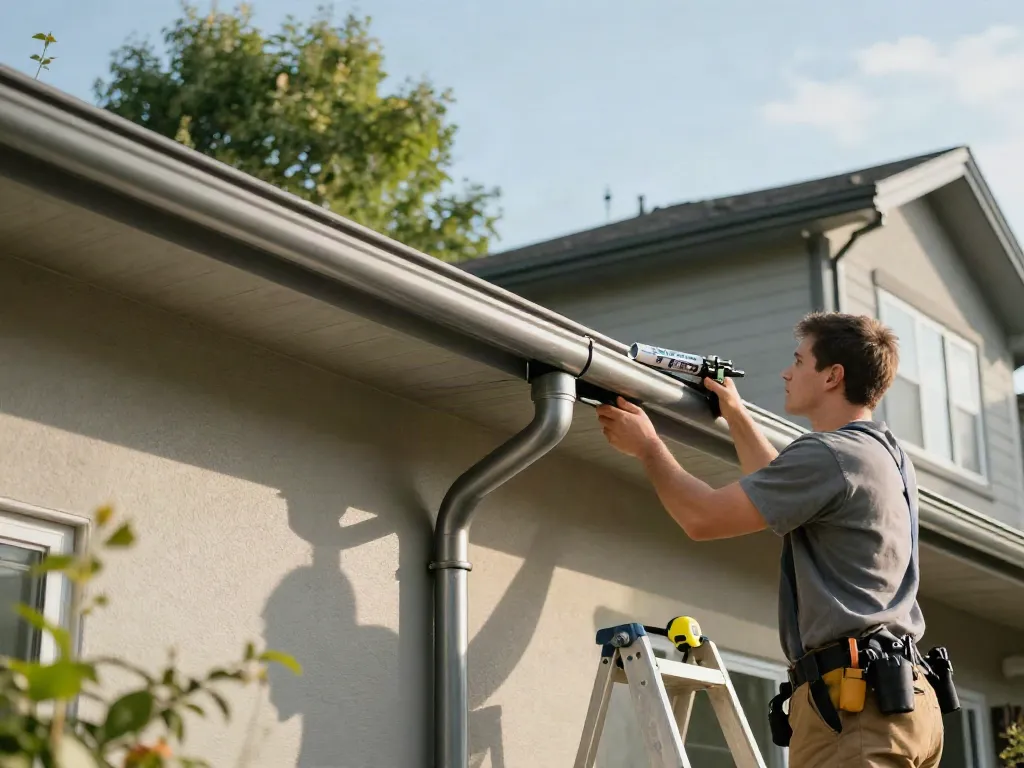
Understanding Spokane Gutter Installation Basics
Gutters play a crucial role in protecting your home from water damage. In Spokane, where rainfall can be quite unpredictable, having an efficient gutter system is essential. Proper Spokane gutter installation not only safeguards your property but also enhances its aesthetic appeal. Understanding the fundamentals of gutter systems can help homeowners make informed decisions about installation and maintenance.
What Are Gutters and Their Importance?
Gutters are channels designed to collect and redirect rainwater away from a building's foundation. Their primary purpose is to prevent water from pooling around the base of the home, which can lead to structural problems, basement flooding, and soil erosion. In Spokane, the importance of gutters is amplified by the region's wet winters and occasional heavy downpours in spring, making effective rainwater management a priority.
Common Types of Gutters Used in Spokane
In Spokane, several types of gutters are commonly installed:
- Seamless Gutters: These are custom-fit gutters made from a single piece of material, which reduces leaks and can be tailored to the exact dimensions of your home.
- Sectional Gutters: As the name suggests, these gutters are available in pre-cut pieces that are assembled on-site. Though typically easier and quicker to install, they may be prone to leaks at the seams.
- Half-Round Gutters: These gutters have a semi-circular shape and are often chosen for their aesthetic appeal, particularly in historic homes.
- Box Gutters: Commonly integrated into a roofline, box gutters are larger and can handle more water volume, making them suitable for areas with heavy rainfall.
How Seasonal Weather Affects Gutter Installation
Seasonal changes can significantly impact the installation process. Spring and early summer are generally the best times for gutter installation in Spokane. The ground is thawed, and the weather is typically dry, allowing for secure installations without the risk of frost or snow. However, winter installations can be challenging due to snow accumulation and icy conditions, which can hinder accessibility to the roof.
Choosing the Right Gutter System for Your Home
When selecting a gutter system for your home, several factors should be considered to ensure optimal performance and longevity.
Seamless vs. Sectional Gutters: Pros and Cons
Seamless gutters boast fewer joints, reducing potential leak points and providing a sleek, modern appearance. They are often more expensive due to their custom fabrication and installation requirements. On the other hand, sectional gutters are typically more cost-effective and easier to install but can develop leaks over time due to their segmented nature. Choosing between the two will depend on your budget, desired appearance, and long-term maintenance considerations.
Factors That Influence Gutter Material Selection
The materials used in gutter construction can greatly affect durability and maintenance. Common materials include:
- Aluminum: Lightweight, resistant to rust, and available in various colors, aluminum is one of the most popular choices.
- Vinyl: Affordable and easy to install, vinyl gutters are available in numerous styles but can be less durable in extreme temperatures.
- Copper: Renowned for its longevity and aesthetic appeal, copper gutters can last for decades but come with a higher initial cost.
- Steel: Galvanized or stainless steel gutters are robust and resistant to damage, although they may require more maintenance to prevent rust.
How to Determine Your Gutter Size and Capacity
Choosing the right size for your gutters is essential for effective drainage. Gutters come in various widths, with 5-inch and 6-inch options being the most common. To determine which size suits your home, consider factors such as roof size, the average amount of rainfall in your area, and the pitch of your roof. A larger roof or area with heavy rainfall may necessitate wider gutters for efficient water flow.
Hiring Professional Gutter Installation Services
While DIY gutter installation is an option, hiring a professional can ensure a higher quality installation and peace of mind.
What to Look for in a Gutter Contractor
When searching for a gutter contractor in Spokane, consider their experience, customer reviews, and the range of services they offer. A reputable contractor will provide a detailed estimate, including information on materials, labor, and any additional services, such as gutter cleaning and maintenance.
Getting Accurate Quotes and Estimates
Request quotes from multiple contractors to compare pricing and services. Ensure that each quote includes specifics on materials, warranty information, and project timelines. This not only helps you stay within budget but also provides a clear understanding of what to expect during the installation process.
Reviewing Customer Testimonials and Reviews
Customer reviews and testimonials can provide valuable insights into the reliability and quality of a contractor's work. Check online platforms, such as Google Reviews or Yelp, and consider asking for references directly from the contractor to hear about their experiences.
DIY Gutter Installation: Is It for You?
For those with a knack for home improvement, DIY gutter installation can be a rewarding project. However, it requires careful planning and the right tools.
Essential Tools and Materials Needed for Installation
Before starting, ensure you have the necessary tools, including:
- Measuring tape
- Level
- Power drill
- Hacksaw or gutter cutting tool
- Safety goggles and gloves
- Ladder
Step-by-Step Guide to Installing Gutters
Here’s a brief overview of the DIY process:
- Measure the length of your roofline to determine the amount of gutter needed.
- Cut the gutters to size using a hacksaw.
- Attach the gutter hangers to the fascia board, ensuring proper slope for water flow.
- Join the sections of the gutter together and secure with rivets or screws.
- Install downspouts at strategic points for effective drainage.
Common Mistakes to Avoid During Installation
Even seasoned DIYers can make errors. Common pitfalls include:
- Improper slope: Gutters should slope slightly towards the downspouts to allow for proper drainage.
- Inadequate securing: Ensure that gutters are securely fastened to avoid sagging or detachment.
- Neglecting downspout placement: Proper downspout placement is crucial for directing water away from your home’s foundation.
Maintenance and Care for Your Gutters
Maintaining your gutter system is vital for its longevity and effectiveness.
How to Clean and Inspect Your Gutters Regularly
Regular cleaning is essential to prevent clogs from leaves and debris. Aim to clean your gutters at least twice a year, ideally in spring and fall. To inspect:
- Remove debris and leaves from the gutters.
- Flush the system with water to ensure proper drainage.
- Check for any signs of damage, such as rust, cracks, or loose sections.
Signs Your Gutters Need Repairs or Replacement
Be vigilant for these warning signs that indicate it's time for repairs or replacement:
- Water overflow during rainstorms
- Peeling paint or rust on nearby surfaces
- Visible cracks or holes in the gutters
- Foundation issues or pooling water around your home
Future Trends in Gutter Technology and Installation
The gutter industry is evolving, with advancements in materials and installation methods. Expect to see:
- Improved water filtration systems integrated into gutter designs to reduce clogs.
- Smart gutter systems that monitor drainage and notify homeowners about maintenance needs.
- Eco-friendly materials that provide durability while minimizing environmental impact.