Understanding Tupaiwin: Foundations of Software Development
Tupaiwin represents a significant evolution in software development paradigms, focusing on modern methodologies and innovative tools that enhance developer productivity and software quality. As we explore its relevance, we will analyze how it integrates with contemporary frameworks, best practices, and the overarching impact on software development processes. The ability to adapt and utilize the right tools under the Tupaiwin framework is crucial in navigating the complex landscape of technology today. When exploring options, tupaiwin provides comprehensive insights that can boost your project's success.
The Evolution of Software Development Tools
Software development has undergone substantial shifts over the last decade, leading to the current adoption of agile methodologies and DevOps practices. Tools that once focused solely on code compilation have now evolved into sophisticated environments facilitating collaboration, continuous integration, and deployment (CI/CD). The importance of leveraging tools that integrate with version control systems, automated testing frameworks, and cloud-based deployment solutions cannot be overstated, as they significantly influence the speed and quality of software delivery.
Frameworks and Languages: Choosing the Right Stack
Choosing the appropriate technology stack is foundational in the Tupaiwin approach to software development. Languages like JavaScript, Python, and Go are commonly employed in modern applications, offering versatility and extensive libraries that enhance productivity. Additionally, frameworks such as React, Angular, and Django present structured approaches to application development, accelerating the build process while maintaining code quality through clear conventions and robust tooling. Selecting the right combination of backend and frontend technologies is essential for achieving scalability, maintainability, and performance.
Best Practices for Code Quality and Maintenance
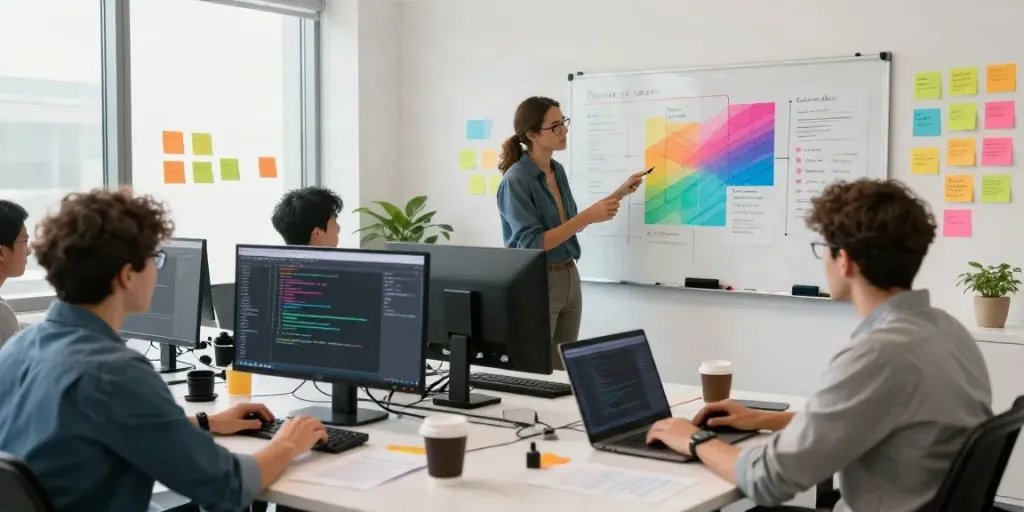
Code quality is paramount in ensuring long-term sustainability of software projects. Employing principles such as the SOLID design principles, writing clean and understandable code, and adhering to style guides are foundational practices for achieving high quality. Automated testing, including unit tests and integration tests, should be integrated into the development lifecycle to catch defects early and support refactoring efforts. Code reviews and pair programming are invaluable strategies for maintaining high standards and facilitating knowledge transfer among team members.
Cloud Computing and Tupaiwin: Infrastructure Perspectives
The integration of Tupaiwin with cloud computing is crucial for modern software development, facilitating scalable solutions that adapt to demand fluctuations. Major cloud providers like AWS, Azure, and Google Cloud Platform (GCP) offer a plethora of services that support infrastructure needs and allow for rapid deployment of applications with reduced operational overhead.
Exploring AWS, Azure, and GCP Solutions
With offerings ranging from serverless architectures to container orchestration, cloud platforms empower developers to focus on code rather than infrastructure management. Services such as AWS Lambda, Azure Functions, and Google Kubernetes Engine enable organizations to build scalable applications that can dynamically adjust resources in response to real-time traffic and processing demands. Understanding the specific services provided by each platform and their pricing models can help businesses optimize their expenditure while ensuring high availability and performance.
Scalability and Cost Management in the Cloud
Designing for scalability is essential in cloud environments. Utilizing load balancers, cascading API calls, and microservices architecture enables applications to handle increased traffic smoothly. Moreover, implementing monitoring tools such as AWS CloudWatch or Azure Monitor allows for real-time visibility into resource utilization, helping teams make informed decisions about scaling resources and managing costs effectively.
Cloud Security Best Practices and Compliance
In the age of increasing cyber threats, securing cloud-based applications is imperative. Best practices include implementing Identity and Access Management (IAM) controls, encrypting data both at rest and in transit, and regularly auditing cloud resources for security compliance. Compliance with industry standards like GDPR or HIPAA is also essential for businesses operating in regulated markets, requiring strict data management guidelines and ongoing assessments.
AI/ML Integration in Tupaiwin Solutions
Artificial Intelligence (AI) and Machine Learning (ML) are rapidly transforming software development practices by providing advanced capabilities that enhance user interactions and streamline processes. The use of AI/ML within the Tupaiwin framework allows organizations to harness data-driven decision-making and predictive analytics effectively.
Implementing Machine Learning Algorithms Effectively
Integrating ML algorithms necessitates understanding data acquisition, preprocessing, training, and deployment. Using tools like TensorFlow, PyTorch, or Scikit-learn, developers can build and train robust models tailored to specific business needs. Leveraging cloud-based ML services, such as AWS SageMaker or Google AI Platform, can simplify these processes by providing scalable infrastructure and built-in algorithms that reduce time-to-insight.
Data Sources and Pipeline Management
An effective AI/ML implementation hinges on the quality of data. Establishing a robust data pipeline—encompassing data collection, transformation, and storage—is crucial for sustaining high model performance. Utilizing technologies such as Apache Kafka or Apache Airflow for orchestration can ensure that data flows efficiently through various stages of processing, allowing for timely insights and feedback loops.
Ethics and Best Practices in AI Development
Developing AI applications involves significant ethical considerations, including bias in algorithms, data privacy, and transparency. Following best practices involves deploying inclusive data strategies and algorithmic audits to ensure fairness and accountability in AI applications. Collaboration among stakeholders can drive the ethical development of AI technologies, prompting organizations to prioritize these concerns throughout the development lifecycle.
Cybersecurity in Software Development
As software systems grow increasingly complex, the need for robust cybersecurity measures becomes more pronounced. Protecting applications and user data from a range of cyber threats is vital to maintaining trust and compliance.
Identifying Common Security Threats in Software
Common threats include SQL injection, cross-site scripting (XSS), and cross-site request forgery (CSRF), among others. Understanding these vulnerabilities allows developers to adopt proactive measures in coding practices, such as input sanitization and implementing Content Security Policies (CSP) to protect against these attacks. Regular security assessments and threat modeling are crucial for identifying potential weaknesses before they can be exploited.
Protocols for Threat Mitigation
Adopting established security protocols and frameworks, such as OWASP's Top Ten, aids developers in mitigating threats throughout the development lifecycle. Implementing secure coding practices, routine security updates, and employing automated tools for vulnerability scanning can build a multilayered defense strategy against cyber attacks.
Security Testing and Code Review Strategies
Integrating security testing into the continuous integration pipeline is essential for operationalizing security in development. Techniques such as penetration testing, static code analysis, and dynamic application security testing should be part of the code review process, ensuring that security is baked into the product from the outset rather than addressed retroactively.
Future Trends in Software Development with Tupaiwin
Looking ahead, the landscape of software development is poised for transformative changes driven by emerging technologies. The Tupaiwin approach embraces these changes, ensuring developers are prepared to adapt and innovate.
Emerging Technologies: From Quantum Computing to Web3
Technologies like quantum computing and decentralized systems (Web3) are on the horizon, promising to redefine traditional computing paradigms. Developers must familiarize themselves with these concepts, as they offer new ways to solve complex problems and enhance data security through decentralized architecture.
The Role of Developer Productivity Tools
As the demand for rapid software delivery increases, productivity tools that streamline the development process are essential. Tools that facilitate code collaboration, automation of mundane tasks, and project management will be vital in maintaining development speed while ensuring quality control.
Anticipating Market Changes and User Needs
Effective software development necessitates a keen awareness of market trends and user expectations. Organizations that employ adaptive strategies, continual user feedback mechanisms, and agile methodologies are more likely to stay relevant in a fast-paced technological landscape. Establishing a culture that promotes learning and adaptation within development teams will enable companies to thrive in the evolving market.
FAQs
What is Tupaiwin and How Does It Impact Software Development?
Tupaiwin is an innovative approach to software development that emphasizes modern tools and practices to enhance productivity and quality. By integrating contemporary techniques, it allows developers to focus on delivering high-value applications efficiently.
How to Start with Tupaiwin?
Starting with Tupaiwin involves familiarizing yourself with its core principles and methodologies. Engaging in community-driven resources, participating in forums, and exploring documentation will provide insight into how best to implement Tupaiwin in your projects.
What are the Key Benefits of Using Tupaiwin for Developers?
The key benefits include improved collaboration through modern development tools, streamlined deployment processes, and enhanced application quality through best practices in coding and testing. For more information, tupaiwin offers valuable insights. Ultimately, adopting Tupaiwin fosters a more agile and efficient development environment.