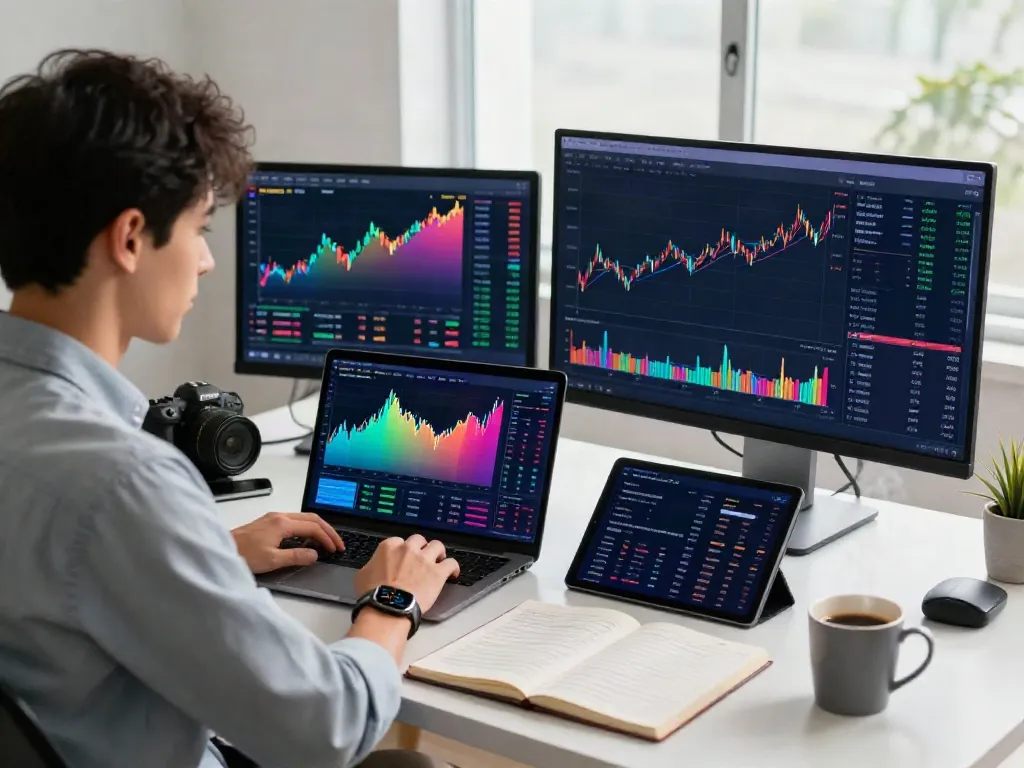
Understanding the NSE Exchange Stock Data Feed
The NSE, or National Stock Exchange of India, stands as one of the largest and most influential stock exchanges in Asia. It plays a pivotal role in financial markets, providing a platform for trading various securities. As the need for accurate and timely financial data continues to grow, the demand for reliable stock data feeds from such exchanges becomes crucial for developers, trading platforms, and research institutions. This is where the NSE exchange stock data feed comes into play, delivering real-time and historical data essential for informed decision-making in trading strategies.
What is the NSE Exchange?
The National Stock Exchange, established in 1992, has developed into a cornerstone of India’s financial ecosystem. With its fully automated electronic trading system, it ensures transparency, efficiency, and reliability in trading operations. The NSE provides a variety of financial instruments, including equities, derivatives, mutual funds, and ETFs. Its benchmark indices, such as the Nifty 50, are critical indicators of the market’s performance and sentiment, making the NSE a focal point for investors and traders alike.
Key Features of the NSE Stock Data Feed
The NSE exchange stock data feed boasts several key features that enhance trading and research capabilities:
- Real-time Data: Instantaneous updates ensure that traders can react quickly to market movements.
- Historical Data: Access to extensive past data allows for backtesting trading strategies and understanding market trends.
- Depth of Market: Provides a comprehensive view of market supply and demand, crucial for making informed trading decisions.
- Multiple Integration Options: The availability of data through both WebSocket and RESTful APIs facilitates easy integration with various platforms.
Importance in Quantitative Trading
In quantitative trading, data is the backbone of all strategies. The NSE stock data feed enables traders to apply complex algorithms and models based on real-time analytics and historical patterns. This integration of data analytics enhances the capability to identify high-probability trade setups and optimize portfolio performance. As quantitative trading continues to evolve, having access to reliable and comprehensive data feeds like the NSE's is indispensable for staying competitive.
Real-Time Data vs. Historical Data
The Value of Real-Time Market Insights
Real-time data is vital for traders who operate on short time horizons. It allows for rapid decision-making, which is crucial in fast-moving markets. Access to live price quotes, order book depth, and immediate news triggers can significantly influence trading outcomes. In day trading scenarios, every second counts, and the ability to act on up-to-the-minute information can mean the difference between profit and loss.
How Historical Data Influences Trading Strategies
While real-time data offers immediate insights, historical data plays a crucial role in developing effective trading strategies. By analyzing past price movements, volume trends, and other market indicators, traders can identify patterns and correlations that inform future decisions. Historical data also allows for robust backtesting of trading strategies, enabling traders to refine their approaches based on empirical evidence and market behavior.
Comparing Different Data Sources
When assessing the value of the NSE exchange stock data feed, it’s essential to understand how it stacks up against other data sources. Factors to consider include:
- Data Accuracy: Reliable data feeds ensure precision in trading decisions.
- Latency: The speed at which data is delivered impacts trading effectiveness.
- Coverage: A broader range of instruments and exchanges can benefit traders who diversify their portfolios.
Implementing the NSE Exchange Stock Data Feed
Integration with Trading Platforms
Integrating the NSE exchange stock data feed into trading platforms is straightforward, particularly with the availability of well-documented APIs. Developers can easily embed the feed into their systems, allowing traders to access essential market data directly within their trading interfaces. Most platforms support popular programming languages, enabling seamless implementation without requiring extensive technical expertise.
APIs: WebSocket vs. RESTful Options
When it comes to receiving data, the choice between WebSocket and RESTful APIs can significantly impact performance. WebSocket is ideal for real-time applications, as it provides a persistent connection for continuous data flow, reducing latency. RESTful APIs, on the other hand, are suited for querying specific data points at intervals. The versatility of both options means developers can choose the most appropriate method based on their application needs and user scenarios.
Best Practices for Developers and Traders
To maximize the benefits of the NSE exchange stock data feed, developers and traders should consider the following best practices:
- Optimize Data Handling: Ensure efficient processing and storage of incoming data to prevent bottlenecks.
- Implement Risk Management: Use data insights to develop comprehensive risk management strategies.
- Stay Updated: Regularly review changes in market conditions and data availability to adapt strategies accordingly.
Analyzing Performance Metrics
Key Performance Indicators for Trading Strategies
Performance metrics are essential for evaluating the effectiveness of trading strategies. Some key performance indicators (KPIs) include:
- Win Rate: Ratio of profitable trades to total trades.
- Average Return: Average profit or loss per trade.
- Sharpe Ratio: Measure of risk-adjusted return.
Measuring Success with Data Feeds
Utilizing data feeds effectively can enhance a trader's ability to measure success. By analyzing the impact of real-time and historical data on trading performance, traders can fine-tune their strategies to achieve better results. Continuous monitoring of KPIs, combined with insights from the NSE stock data feed, helps traders understand the dynamics of their strategies and adapt accordingly.
Common Pitfalls and How to Avoid Them
Even the most skilled traders can fall into common traps. It’s crucial to avoid:
- Overtrading: Making excessive trades based on short-term market fluctuations.
- Ignoring Data Quality: Relying on outdated or inaccurate data can lead to poor decision-making.
- Lack of Adaptability: Failing to adjust strategies based on changing market conditions.
Future Trends in Stock Market Data Management
Emerging Technologies in Trading
The landscape of trading is continually evolving, influenced by advancements in technology. Artificial intelligence (AI) and machine learning are increasingly being integrated into trading strategies to enhance predictive capabilities. Additionally, blockchain technology is making waves by providing increased transparency in trade settlements and reducing counterparty risk.
Predictions for 2026 and Beyond
Looking ahead to 2026, the stock market data management sector is expected to witness significant developments. Enhanced data analytics tools will provide traders with deeper insights, while regulatory frameworks are likely to evolve, emphasizing data integrity and security. As more investors turn to automated trading systems, the reliance on real-time data feeds, such as those from the NSE, will only intensify.
Staying Ahead in a Competitive Market
To remain competitive, traders and firms must commit to ongoing learning and adaptation. Leveraging advanced technology and harnessing the full potential of data feeds will be essential for achieving sustained success. By developing a strategic approach to data management and staying attuned to industry trends, traders can position themselves favorably in the ever-evolving landscape of the financial markets.
What is an NSE exchange stock data feed?
An NSE exchange stock data feed provides real-time and historical data from the National Stock Exchange, enabling traders to access critical market information essential for making informed trading decisions.
How can I integrate NSE data into my trading application?
Integration can be achieved through the use of APIs, which allow developers to embed the data feed into their applications seamlessly. Options include both WebSocket for real-time data and RESTful APIs for querying specific data points.
What are the advantages of real-time data feeds?
Real-time data feeds offer immediate access to market information, allowing traders to react promptly to price changes, news events, and other market dynamics, ultimately improving trading outcomes.
How does NSE data compare to other stock exchanges?
NSE data is renowned for its accuracy and comprehensive coverage of various financial instruments. While other exchanges may also provide quality data, the NSE is particularly strong in the Indian market context.
What trends should I watch in stock data for 2026?
Key trends to observe include the rise of AI-driven trading strategies, increased emphasis on data security, and advancements in technology that enhance data analytics capabilities.