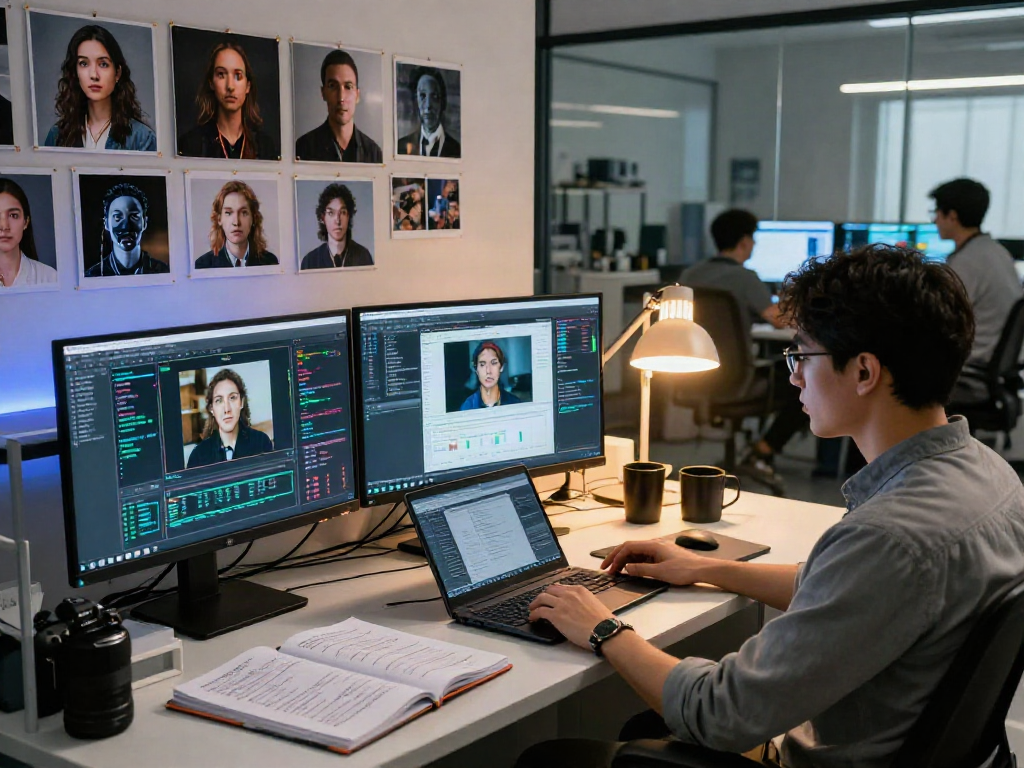
Understanding Deepfake Technology and Its Implications
In today’s rapidly evolving digital landscape, the emergence of deepfake technology poses significant challenges, especially in contexts such as video conferencing. Deepfakes, which use artificial intelligence to create hyper-realistic but entirely fabricated audio or visual content, have raised alarms across various sectors. The implications of these technologies stretch far beyond entertainment; they threaten trust in visual communications, making it essential for organizations to implement robust strategies for Deepfake protected Conferencing. This article delves into the nature of deepfakes, the unique challenges they present for video conferencing, and the legal landscape that is evolving in response to these threats.
What Are Deepfakes?
Deepfakes are sophisticated manipulations of audio and video that use deep learning AI technologies. By analyzing real footage, these algorithms can generate new content that mimics the original subjects with alarming accuracy. The most notable examples include video impersonations of celebrities or politicians, but the technology can be weaponized for malicious purposes, such as misinformation campaigns, fraud, or identity theft.
Emerging Challenges in Video Conferencing
The rise of remote work has made video conferencing an integral part of daily business operations. However, the danger of deepfakes infiltrating these platforms poses significant threats. Organizations must contend with risks such as identity fraud during virtual meetings, where an imposter could use a deepfake to impersonate a colleague or executive, potentially causing disastrous financial or reputational harm.
The Legal Landscape Around Deepfakes in 2026
As deepfake technology continues to evolve, so too does the legal framework surrounding its use. By 2026, various jurisdictions are expected to have enacted laws regulating the creation and distribution of deepfake content. These laws often center around protecting individuals from defamation, fraud, and unauthorized impersonation. Organizations must stay informed about these regulations to mitigate legal liability and ensure compliance in their conferencing practices.
Best Practices for Deepfake Protected Conferencing
Implementing effective strategies against deepfake threats in video conferencing requires a multifaceted approach. Organizations should prioritize the adoption of comprehensive security measures, robust authentication techniques, and appropriate technological solutions.
Implementing Security Measures Against Deepfakes
Organizations should implement several security measures to combat deepfake threats effectively, including:
- Regular software updates to ensure that video conferencing tools have the latest security features.
- Multi-factor authentication for users to verify identities prior to joining meetings.
- Utilizing end-to-end encryption to protect data during transmission.
Effective Authentication Techniques for Meetings
Authentication is crucial when it comes to securing video meetings against deepfake attacks. Deploying techniques such as:
- Unique meeting IDs and passwords for each session.
- Incorporating biometric identification, such as facial recognition.
- Conducting visual checks of participants, such as asking specific questions or discussing known topics to confirm identity.
Choosing the Right Technology Solutions
Selecting the right conferencing tools is another critical step in protecting against deepfakes. Organizations should look for solutions that offer:
- Real-time deepfake detection capabilities.
- Built-in fraud detection mechanisms to flag suspicious behavior.
- User-friendly interfaces that facilitate seamless implementation of security features.
Case Studies: Successful Implementations
Examining how different organizations have successfully implemented deepfake protection strategies can provide valuable insights and lessons learned.
Corporate Examples of Deepfake Protection
Several corporations have taken proactive measures to safeguard their conferencing systems. For instance, leading firms in the tech industry have adopted AI-driven tools designed to detect deepfakes in real-time, thus enhancing the integrity of stakeholder communications during critical meetings.
Government Initiatives and Legislation
Government bodies worldwide are increasingly recognizing the threats posed by deepfakes, prompting initiatives aimed at legislation and public awareness. These initiatives often include funding for research into deepfake detection and establishing guidelines to help organizations navigate the complexities of deepfake technology.
Lessons Learned from Real-World Applications
Organizations that have faced deepfake-related incidents often highlight the importance of preparedness. Developing response plans for potential deepfake threats can empower teams to act quickly and decisively, minimizing damage and restoring trust in video communications.
Measuring the Success of Deepfake Protection Strategies
To ensure their strategies are effective, organizations must develop systems to measure the success of their deepfake protection initiatives.
Key Performance Indicators for Effectiveness
Organizations should track key performance indicators (KPIs) such as:
- Number of deepfake incidents reported before and after implementing new security measures.
- Time taken to resolve security incidents.
- Feedback from employees regarding their confidence in the security of conferencing tools.
Feedback Mechanisms for Continuous Improvement
Establishing feedback loops can facilitate continuous improvement in deepfake protection strategies. Conducting regular surveys and interviews with users can provide insights into the effectiveness of security measures and highlight areas needing enhancement.
Future-Proofing Against Emerging Threats
Organizations must remain vigilant as technology continues to advance. Regularly updating training materials, conducting simulations, and staying informed about emerging threats will be crucial in fortifying defenses against deepfake technology.
Future Trends in Deepfake Protected Conferencing
The future of deepfake protection in conferencing environments will undoubtedly evolve alongside technological advancements. By anticipating these changes, organizations can better prepare for the challenges to come.
Predictions for 2026 and Beyond
By 2026, we can expect to see the emergence of more sophisticated detection technologies powered by machine learning, capable of identifying deepfake content with increased accuracy. Additionally, legal frameworks will likely become more standardized globally, ensuring that organizations can navigate compliance more efficiently.
Innovations on the Horizon
Innovations such as blockchain technology may play a pivotal role in securing video conferencing by enabling traceability of content origins, allowing participants to verify authenticity seamlessly.
Preparing for a Shifting Digital Landscape
As remote work continues to redefine corporate interactions, organizations must adapt to the challenges posed by deepfakes. This includes investing in ongoing education and training for employees on identifying deepfakes and understanding the importance of cybersecurity in maintaining business integrity.