Understanding the Basics of Water Heater Replacement
Water heater replacement is an essential home maintenance task that many homeowners may face at some point. Understanding the intricacies involved can help you make informed decisions. Whether you're upgrading to a more energy-efficient model or replacing a broken unit, there are several factors to consider that can influence the overall process and outcomes. For residents seeking assistance with their needs, water heater replacement Fort Worth can offer valuable insights and professional help.
What is Water Heater Replacement?
Water heater replacement refers to the process of removing an old or malfunctioning water heater and installing a new one. This could involve switching to a different type of water heater, such as moving from a traditional tank system to a tankless model, or merely replacing an outdated unit with a similar one. The goal is to ensure consistent and reliable hot water supply while increasing energy efficiency and reducing utility costs.
Common Reasons for Replacement
- Age of the Unit: Most water heaters have a lifespan of about 8-12 years. If your unit is nearing this age, it may be time to consider a replacement.
- Frequent Repairs: If you find yourself constantly calling for repairs, it may be more cost-effective in the long run to invest in a new unit.
- Inadequate Hot Water: If your water heater cannot meet your household's needs for hot water, a replacement might be necessary.
- Leaks and Corrosion: Physical damage such as leaks or rust can compromise the efficiency and safety of your water heater.
Types of Water Heaters Available
When it comes to water heaters, homeowners have various options to choose from:
- Conventional Storage Tank Water Heaters: These are the most common type, available in various sizes and are typically fueled by electricity or gas.
- Tankless Water Heaters: Providing hot water on demand, these units are more energy-efficient but may require significant upfront investment.
- Heat Pump Water Heaters: Utilizing electricity to move heat from one place to another instead of generating heat directly, these are highly efficient systems best suited for warm climates.
- Solar Water Heaters: These eco-friendly systems use solar panels to harness energy from the sun, making them an excellent choice for sustainable living.
Choosing the Right Water Heater
Selecting the right water heater for your home goes beyond just choosing a brand; it requires consideration of various aspects that align with your lifestyle, budget, and energy efficiency goals.
Factors to Consider When Selecting a Heater
- Household Size: Larger households will need higher-capacity water heaters to meet their hot water demands.
- Fuel Type: Depending on local energy costs, you might choose between electric, natural gas, propane, or solar models.
- Space Availability: Consider the physical dimensions where the heater will be installed; tankless heaters require less space than traditional tank models.
Energy Efficiency Ratings Explained
Understanding energy efficiency ratings can help you choose a more sustainable option. Look for the Energy Factor (EF) rating, which indicates the overall efficiency of the water heater. The higher the EF rating, the more efficient the water heater. Additionally, some units are eligible for tax credits or rebates, further making them economical choices.
Comparing Costs of Different Heater Types
Costs can vary significantly between different types of water heaters:
- Storage Tank Heaters: Generally, these are less expensive upfront, ranging from $300 to $800, but may have higher operational costs.
- Tankless Heaters: Initial costs can be between $1,000 and $3,000, but they offer savings in the long run through energy efficiency.
- Heat Pump and Solar Heaters: These are typically the most expensive to install, averaging $1,500 to $5,000 for heat pumps and even more for solar, but they are highly efficient.
Preparation for Installation
Before proceeding with a water heater replacement, adequate planning and preparation are crucial to ensure a smooth installation process. This preparation involves gathering tools, understanding local regulations, and taking necessary safety precautions.
Gathering Necessary Tools and Equipment
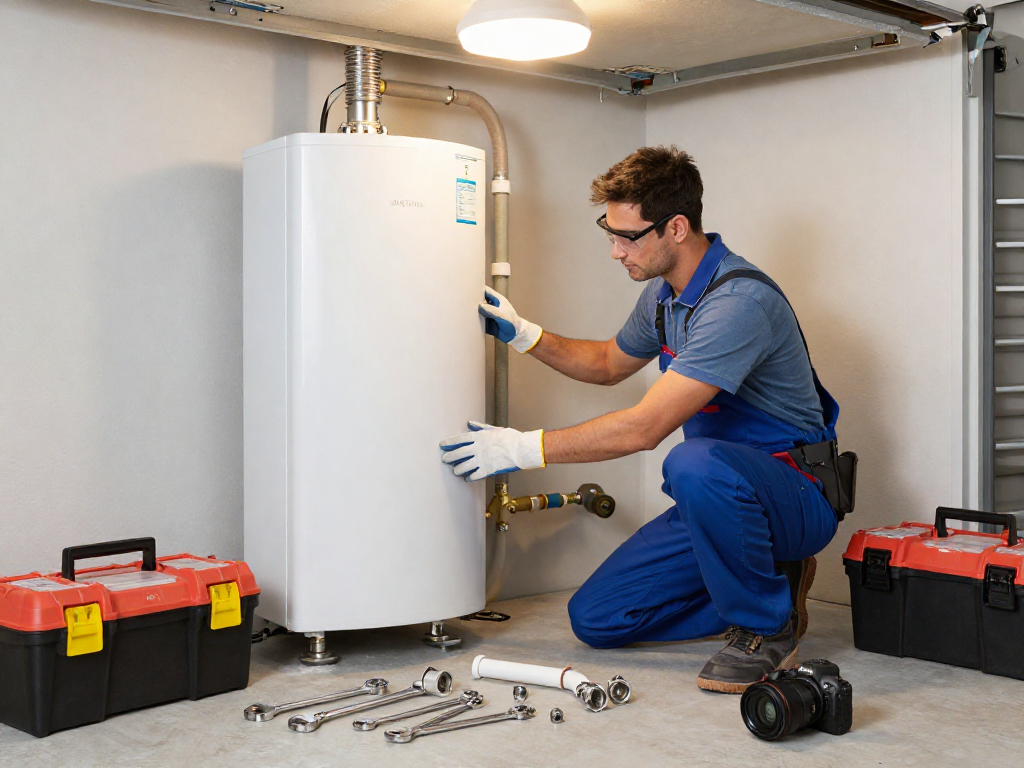
Having the right tools can make the installation process much smoother. At a minimum, you will need:
- A pipe wrench and adjustable wrench
- Pipe cutter
- Drill and drill bits
- Screwdrivers
- Teflon tape for sealing
- Safety gear such as gloves and goggles
Permits and Regulations for Fort Worth
In Fort Worth, specific permits are required for water heater replacements. It is essential to consult local building codes or a professional to ensure compliance. Typically, you will need to notify the local municipality and pay associated fees.
Safety Precautions Before Starting
Before beginning any work, ensure you take the following safety measures:
- Turn off the power supply to the water heater.
- Shut off the cold water supply valve.
- Ensure proper ventilation in the area, especially if working with gas systems.
Step-by-Step Guide to Replacing Your Water Heater
Once you're prepared and equipped, you can follow this step-by-step guide to replace your water heater.
Disconnecting the Old Water Heater
Begin by draining the old unit. Connect a garden hose to the drain valve and run it to a suitable drainage area. Open the drain valve and let the tank empty. Once empty, disconnect the water supply lines and any electrical or gas connections.
Installing the New Heater: A Detailed Process
After removing the old heater, it's time to install the new one. Follow these steps:
- Position the new water heater in the designated area.
- Reconnect the water supply lines, ensuring to use Teflon tape to prevent leaks.
- If applicable, connect the gas line or electrical wiring according to the manufacturer’s instructions.
- Fill the tank with water, ensuring all valves are closed.
- Turn on the power supply or gas to the new unit.
Testing and Finalizing Installation
After installation, check for any leaks at the connections. Turn on the hot water taps in your home to remove any air trapped in the lines. Allow the water heater to heat up, and confirm that it is functioning correctly by checking the temperature of the water.
Maintenance Tips for Longevity
To extend the lifespan of your water heater, regular maintenance is key. Implementing routine checks can prevent premature failures and costly repairs.
Routine Maintenance Practices
Simple maintenance tasks include:
- Flushing the tank annually to remove sediment buildup.
- Checking the anode rod every few years and replacing it if it's significantly corroded.
- Inspecting the pressure relief valve to ensure it operates correctly.
Signs Your Water Heater Needs Attention
Keep an eye out for these signs indicating potential issues:
- Unusual noises from the unit, like popping or rumbling.
- Rusty or discolored hot water.
- Water pooling at the base of the heater.
Scheduling Professional Inspections
Even with regular checks, it’s wise to schedule professional inspections every few years to catch any potential issues before they develop into larger problems. A qualified technician can also help enhance the efficiency of your system.
What are the costs associated with water heater replacement?
The costs vary widely based on the type of heater, installation complexity, and local labor rates. Generally, homeowners can expect to pay between $800 to $3,000, including the unit and installation.
How can I improve the efficiency of my new water heater?
Incorporate insulation blankets, set the thermostat to 120°F, and consider using a timer for electric units to enhance efficiency.
What permits do I need for a water heater replacement in Fort Worth?
Homeowners typically need a plumbing permit for installation, along with compliance with local building codes.
How long does a typical water heater last?
Most water heaters last between 8 to 12 years, but regular maintenance can extend their lifespan.
What are the benefits of upgrading to a modern water heater?
Modern water heaters offer enhanced energy efficiency, which can lower utility bills, improved safety features, and often come with better warranties.