
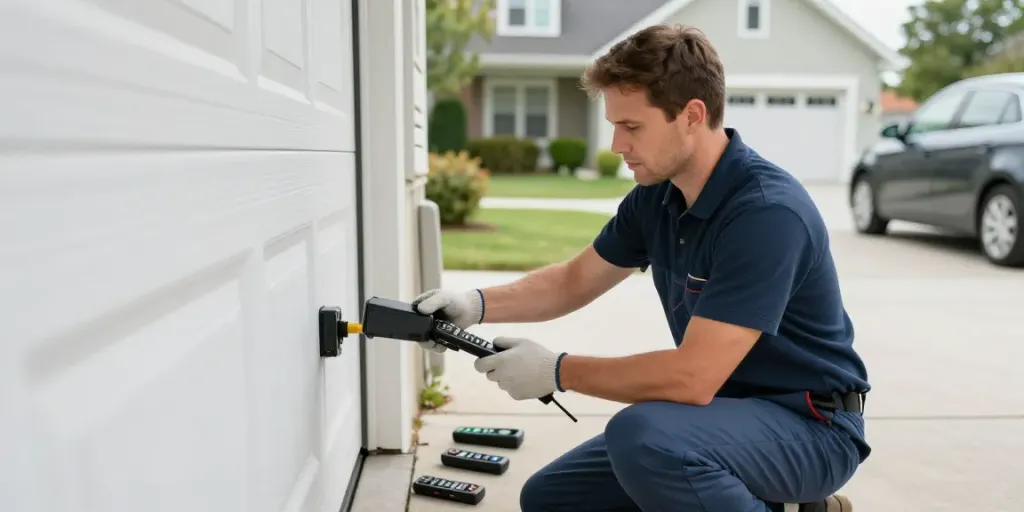
Understanding Garage Door Remote Replacement
Garage door remotes are an essential component of modern home security and convenience. They allow you to easily open and close your garage door from a distance, saving you from the hassle of manually operating the door. However, like any electronic device, garage door remotes can malfunction or become obsolete, leading to the need for garage door remote replacement. This guide will help you understand the intricacies of garage door remote replacement, the reasons behind the necessity for such replacements, and how to go about it effectively.
What is Garage Door Remote Replacement?
Garage door remote replacement refers to the process of obtaining a new remote control for your garage door opener. This may involve replacing a broken or malfunctioning remote or upgrading to a newer model with enhanced features. Replacement can be crucial for maintaining the functionality, security, and convenience of your garage access.
Why You Might Need a Garage Door Remote Replacement
There are several reasons why you may find yourself needing to replace your garage door remote. Common scenarios include:
- Loss or Theft: If your remote is lost or stolen, replacing it immediately is crucial for maintaining the security of your garage.
- Malfunction: Over time, remotes can wear out, leading to issues such as unresponsive buttons or intermittent functionality.
- Upgrading Technology: With the emergence of smart home technology, homeowners may opt for a modern remote that integrates with their home automation systems.
Common Issues with Garage Door Remotes
Garage door remotes can experience a variety of issues, including:
- Weak Signals: Obstacles such as trees or walls can hinder the remote's signal strength.
- Battery Problems: Most remotes operate on batteries that may need replacing periodically.
- Programming Errors: Sometimes, remotes may lose their programmed codes, requiring reprogramming.
Choosing the Right Garage Door Remote
Choosing the correct garage door remote is vital to ensure compatibility and performance. With various models available on the market, understanding what to look for can save you time and money.
Types of Garage Door Remotes Available
Garage door remotes generally come in three main types:
- Fixed Code Remotes: These remotes operate using a predetermined code. However, they can be less secure due to the ease of code duplication.
- Rolling Code Remotes: These remotes change their code after each use, providing enhanced security compared to fixed code remotes.
- Smart Remotes: These offer connectivity with smartphones and home automation systems, providing additional features such as remote access and notifications.
Features to Consider When Replacing Your Remote
When selecting a replacement remote, consider the following features:
- Range: Look for remotes with a higher signal range for added convenience.
- Durability: Select a remote that is built to withstand wear and tear, especially if it will be frequently used.
- Ease of Use: Opt for remotes with intuitive buttons and a user-friendly design.
Brand Compatibility for Garage Door Remotes
Before purchasing a new remote, ensure that it is compatible with your existing garage door opener. Each manufacturer may have specific remotes designed for their systems. Common brands include Chamberlain, LiftMaster, and Genie. Always check the specifications to avoid compatibility issues.
How to Replace Your Garage Door Remote
Replacing your garage door remote can be straightforward. However, understanding the steps involved will ensure a smooth process.
Step-by-Step Guide to Programming a New Remote
To program a new garage door remote, follow these steps:
- Access the Garage Door Opener: Locate the “Learn” button on your garage door opener, usually found on the back or side.
- Press the Learn Button: Activate it by pressing the button once. A light will typically indicate it is ready to learn.
- Press the Remote Button: Within 30 seconds, press and hold the button on your new remote until the opener lights flash, indicating successful programming.
- Test the Remote: Finally, test the remote to ensure it opens and closes the garage door as expected.
Professional vs. DIY Replacement: Which is Best for You?
Deciding whether to replace the remote yourself or hire a professional depends on your comfort level with technology. For those who are tech-savvy, DIY can be a cost-effective solution. However, hiring a professional may save time and ensure the job is done correctly, especially for complex systems.
Tools Needed for Garage Door Remote Replacement
If you choose a DIY approach, gather the following tools:
- Screwdriver (if needed for access)
- Replacement remote
- Step ladder (for high openers)
Maximizing the Lifespan of Your Garage Door Remote
To ensure your garage door remote lasts as long as possible, regular maintenance and proper use are essential.
Maintenance Tips for Garage Door Remotes
Consider implementing these maintenance tips:
- Replace Batteries Regularly: Change the batteries every six months or when you notice diminished performance.
- Keep It Clean: Avoid dirt and debris buildup. Wipe the remote clean with a soft cloth.
- Avoid Dropping: Handle the remote carefully to prevent internal damage.
Signs Your Garage Door Remote Needs Replacement
Watch for these signs that indicate a need for a replacement:
- Unresponsiveness or delayed reactions.
- Frequent disconnections or failure to operate.
- Physical damage, such as cracks or broken buttons.
Best Practices to Prevent Common Remote Issues
Engaging in best practices can help prevent future issues with your garage door remote:
- Store remotes in a designated spot to avoid loss.
- Avoid overusing the buttons aggressively; this can lead to wear.
- Keep spare batteries on hand to ensure you can quickly resolve battery issues.
Future Trends in Garage Door Technology
The garage door industry is evolving, with new technologies enhancing convenience and security.
Smart Garage Door Remotes and Their Benefits
Smart garage door remotes offer numerous benefits such as:
- Remote monitoring via smartphone applications.
- Integration with home security systems.
- Convenient access control for family and guests.
Emerging Technologies in Home Automation
As home automation becomes more prevalent, expect to see:
- Enhanced connectivity between devices for streamlined access.
- Increased use of AI for predictive maintenance alerts.
- Development of remote controls that utilize voice recognition and other intuitive technologies.
Predictions for Garage Door Innovations in 2026
By 2026, innovations may lead to:
- More robust security features to deter theft.
- Advanced monitoring systems that notify homeowners of any irregularities.
- Higher emphasis on environmental efficiency in garage door operations.
What are the signs that I need a garage door remote replacement?
Some signs include unresponsiveness, frequent disconnections, and physical damage.
Can I program a new remote to my existing garage door opener?
Yes, most garage door openers allow for new remotes to be programmed easily.
How long does a garage door remote typically last?
On average, a garage door remote can last anywhere from 3 to 5 years depending on usage and maintenance.
Are there universal remotes for garage doors?
Yes, there are universal remotes available that can work with multiple brands, but compatibility must be checked.
What should I do if my garage door remote stops working?
Start by replacing the battery. If issues persist, consider reprogramming or replacing the remote.